Filters

Twenty years in and still feeding the future.

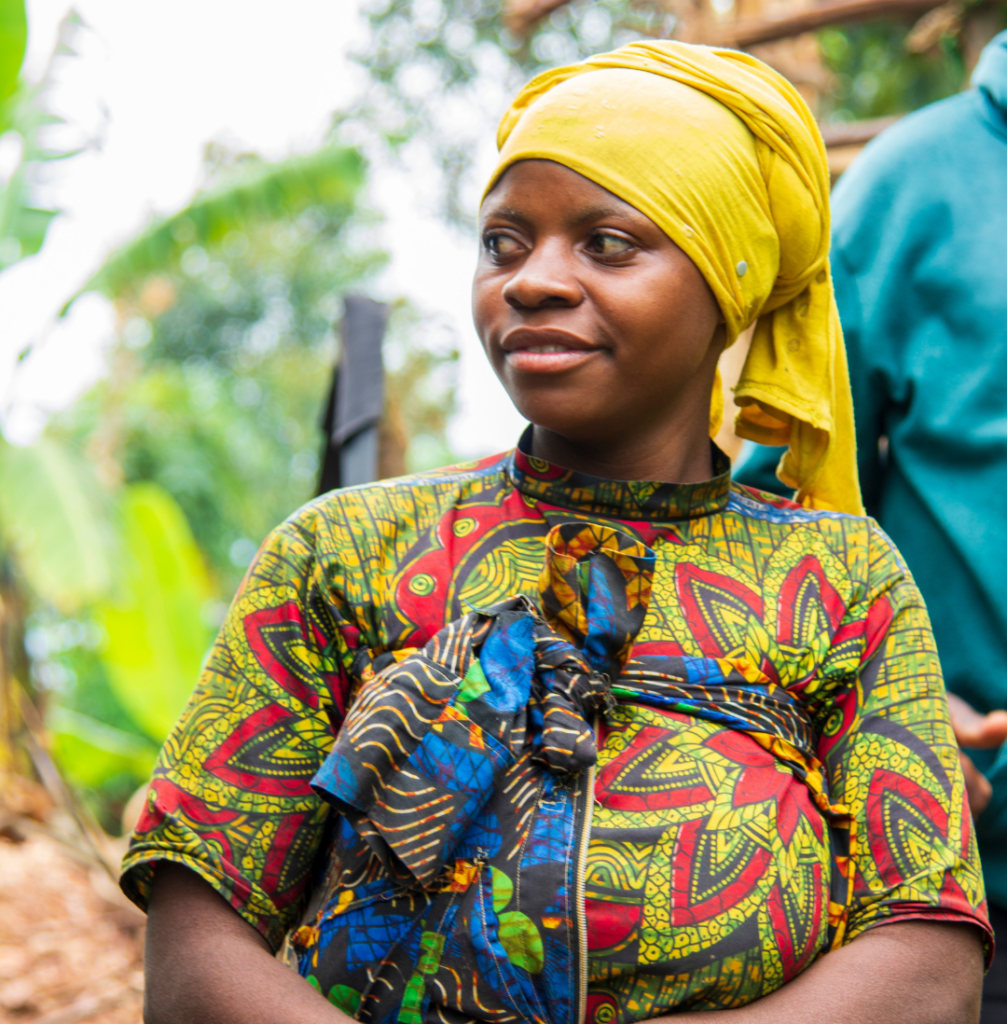
Across the communities where DIG works, women farmers are leading the way. They are growing food, strengthening households, restoring land, mentoring neighbors, and building local economies. They are not just participants in agrifood systems. They sustain them.

Across the communities where DIG works, women farmers are leading the way.

They are growing food, strengthening households, restoring land, mentoring neighbors, and building local economies. They are not just participants in agrifood systems. They sustain them.

This year, the Food and Agriculture Organization of the United Nations (FAO) has named 2026 the International Year of the Woman Farmer. It is a global recognition of something many rural communities have long understood: women are central to the future of food. From seed saving to soil restoration, from household nutrition to market leadership, women carry the daily work of keeping food systems alive.

​​This moment matters. Not because women farmers are new to leadership, but because their leadership must be invested in and strengthened.


For twenty years, DIG has seen this firsthand. 

Gender equity is not a side strategy for DIG. It is core to improving nutrition and livelihoods through regenerative agriculture. Women are disproportionately affected by hunger and poor nutrition, even as they shoulder the primary responsibility for food production. In the regions where DIG works, 83% of Farmer Field School participants and 100% of Priority Household Program participants are women. Many are navigating intersecting barriers, including survivors of abuse, people living with disabilities, displaced persons, women living with HIV, and young mothers; groups often overlooked by traditional development programs or market investment.

When women gain access to regenerative agriculture skills, local seed networks, and peer support, the effects are tangible. Families eat more diverse foods year-round. Income stabilizes. Confidence grows. Graduates report stronger relationships with one another and greater participation in household and community decision-making.

In announcing the International Year of Women Farmers, FAO Deputy Director-General Beth Bechdol emphasized that this recognition must lead to policy, investment, and measurable impact well beyond 2026, stating,

”The goal is simple: turn commitment into practice, and practice into measurable impact.”

At DIG, centering women’s leadership has been foundational to our work for twenty years and will continue to be.

Nine Months Later: From Aid Gaps to Homegrown Resilience

Earlier this year, when global aid was slashed and Ready-to-Use Therapeutic Foods (RUTFs) supplied by the government disappeared from Kenyan hospital shelves, many feared the worst for the country’s most vulnerable children.

Emergency nutrition products like Plumpy’Nut have saved countless lives in moments of crisis. But when shipments stopped, it exposed a deeper truth: survival can’t depend only on what arrives from abroad. Families also need solutions they can rely on, grow themselves, and trust over the long term. That’s where DIG comes in.

Read More>