The Garden Women Farmers Brought Back To Life

Twenty years in and still feeding the future.
And it’s women farmers who make that possible.

When women are supported, systems shift.

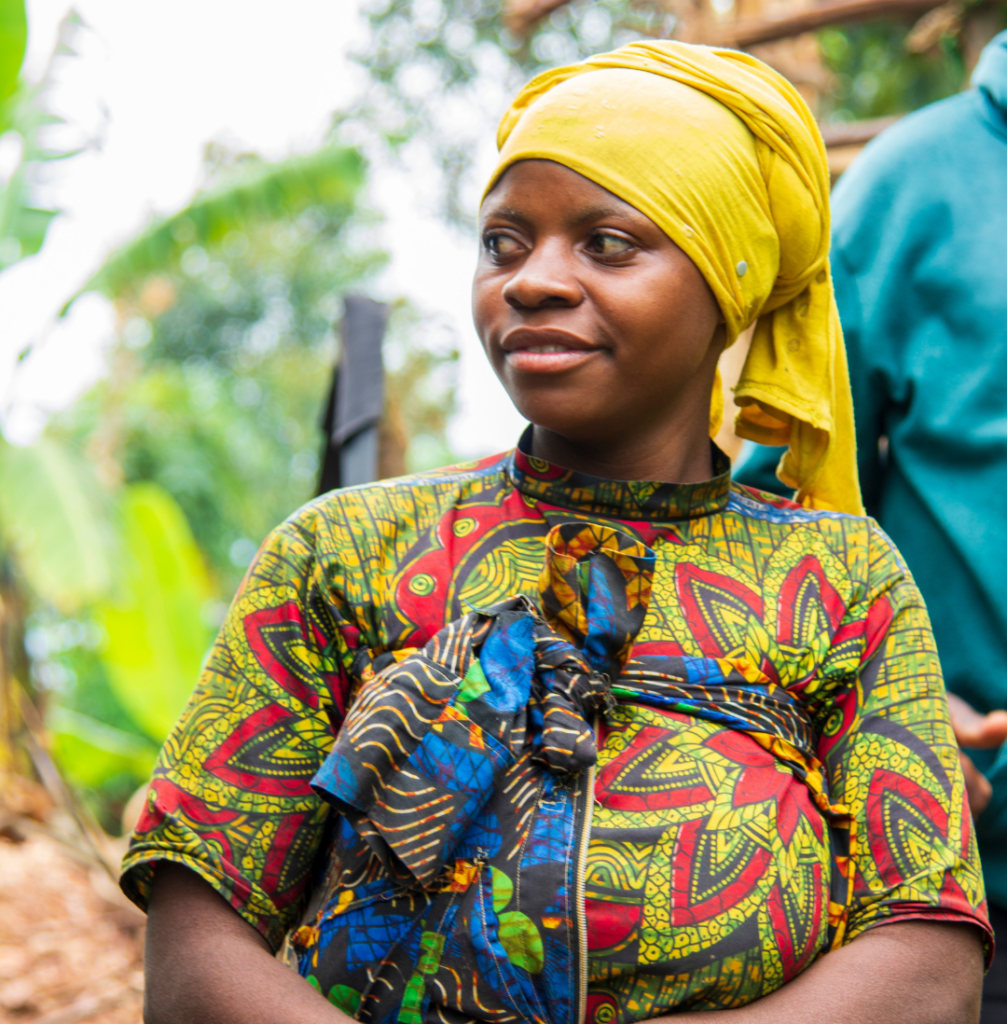
In Tobor, Senegal, the women of the Fara Badji adaptive Farmer Field School group are showing exactly what that looks like. Before joining DIG’s adapted Farmer Field School program, the group depended almost entirely on markets in Bignona and Ziguinchor, about 13 miles away, for both food and income. Each market trip cost nearly half a week’s income for the average household. To make even a small profit, they had to buy food in bulk and hope they could resell produce before it spoiled. The risk was constant, and the margins were thin.

At the same time, climate pressures are intensifying. Water scarcity, soil salinization, deforestation, and rising temperatures are worsening food insecurity in Tobor. Incomes are uncertain. Local control over food systems is shrinking, in Tobor and around the world.

With support from DIG and Conservation Food Health, the women turned their attention to a piece of land that had been abandoned for more than 30 years. 

Before any seeds went into the ground, there was a decision. They had to see possibility where others saw depletion. Through DIG’s adapted Farmer Field School, they began learning, experimenting, and planning together, rebuilding soil health, deciding which crops made sense for their climate and markets, and strengthening trust within the group.

What was once unused land is now a thriving community vegetable garden rooted in climate-resilient practices and the revival of endangered local crops. Today, they grow ditah, taro (diabéré), cowpea, cassava, sweet potato, bitter eggplant (diahatou), pepper, and okra. They have reintroduced medicinal species like touloune and strengthened informal seed systems that connect them with neighboring DIG-supported groups.

Last year, they searched across the region to secure sweet potato cuttings. This year, they purchased planting materials from another nearby DIG Farmer Field School group, a sign that local networks are not just forming, but beginning to sustain one another.


By growing food for both home consumption and sale, the women have eliminated costly market trips. Profits have more than doubled. Household food expenses have dropped.  Additional income is now being reinvested into their children’s education and family well-being.

What began as a response to land degradation has evolved into something deeper: a shift toward long-term stability rooted in local leadership.

The women of Fara Badji are not just restoring land. They are restoring agency, strengthening community, and building resilience that will last beyond any single season.

Durability grows where women lead.

For twenty years, DIG has witnessed a simple truth: women feed the world, and they always have.

The FAO names 2026 the International Year of the Woman Farmer, and we’re reflecting on what we see every day across our programs: women feeding households, restoring land, mentoring neighbors, and strengthening entire food systems.

Read more about why women farmers are at the heart of DIG’s work and what this global recognition means for the future.

Read More>

BLOGS


The Garden Women Farmers Brought Back To Life

Twenty years in and still feeding the future. And it’s women farmers who make that possible.

Supporting Families When Nutrition Matters Most

Twenty years in and still feeding the future. And it’s women farmers who make that possible.

Women have been Feeding the World for Generations

Twenty years in and still feeding the future. And it’s women farmers who make that possible.

View More