Skip to content
DIG
  • DIG
  • Who We Are
    • Team
    • Board of Directors
    • Partners
  • What We Do
    • Core Programs
    • The DIG Model
    • The History of DIG’s Growth
    • Committed to Principles of Agroecology
    • Committed to Principles for Locally Led Adaptation
  • Where We Grow
    • DIG KENYA
    • Uganda
    • Senegal
  • Our Impact
    • How We Measure our Impact
    • Pillars of Impact
    • Food Security
    • Social Cohesion
    • Nutrition & Health
    • Climate Resilience
    • Financial Resilience
  • DIG News
    • DIG’s Latest Impact Report
    • Blogs
    • Recipes
    • Videos
    • Media | Press
    • Visit Uganda In Virtual Reality
  • Take Action
    • Donate
    • Cocktails & Castoffs: Denver
    • Careers
    • DIG Field Trips
    • Involvement Opportunities
    • Contact DIG
  • Donate
    • Donate
    • Shop the DIG Gift Garden
    • State Nonprofit Disclosures

Twenty Years & Still Growing

Explore

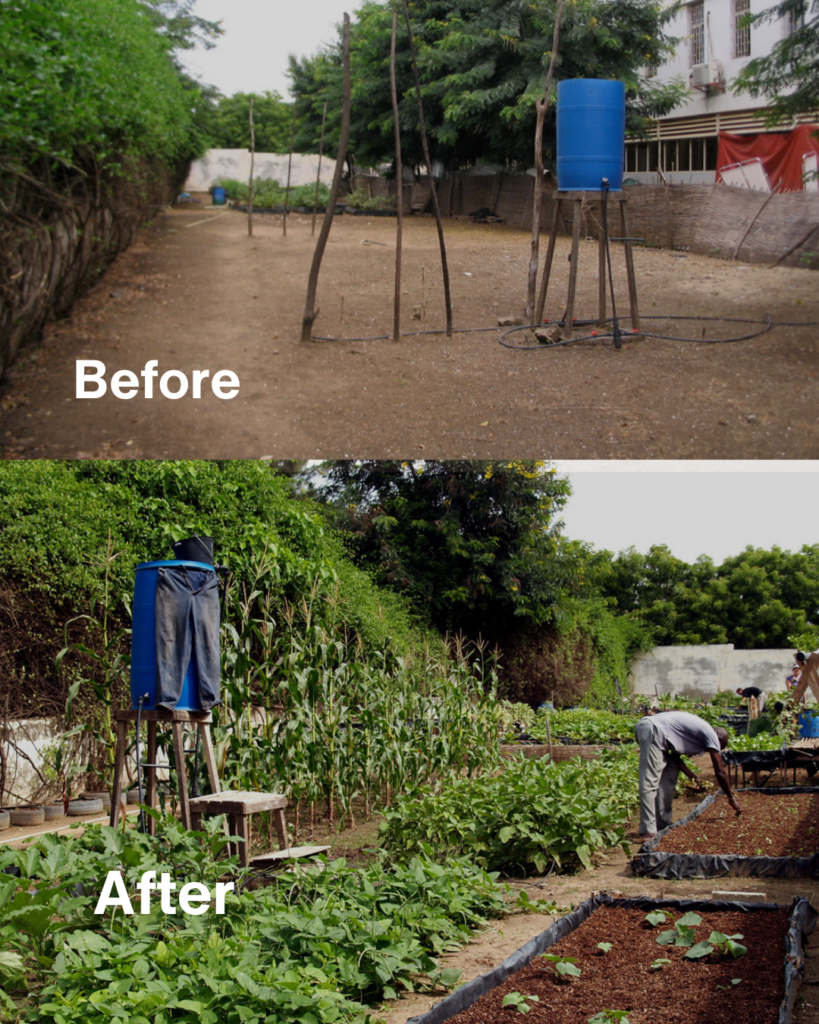
Twenty years and still growing.

What began with a single garden has become a network of farmers and communities that continue to expand beyond the program itself. That durability comes from long-term relationships, local leadership, and an approach designed to grow from within.

Over twenty years, DIG has refined this into a proven model: farmer-led learning groups that strengthen food security, restore soil, and build resilient local food systems.

Now, we’re focused on scaling our reach without losing what makes it work.

Serving 35,000 people a year today.
With your investment, we can increase that to 143,000+ people a year by 2030. 

DIG Icon
Kenya

Expanding Farmer Field Schools and partnering with government health systems to improve nutrition outcomes for malnourished children.

DIG Icon
Senegal

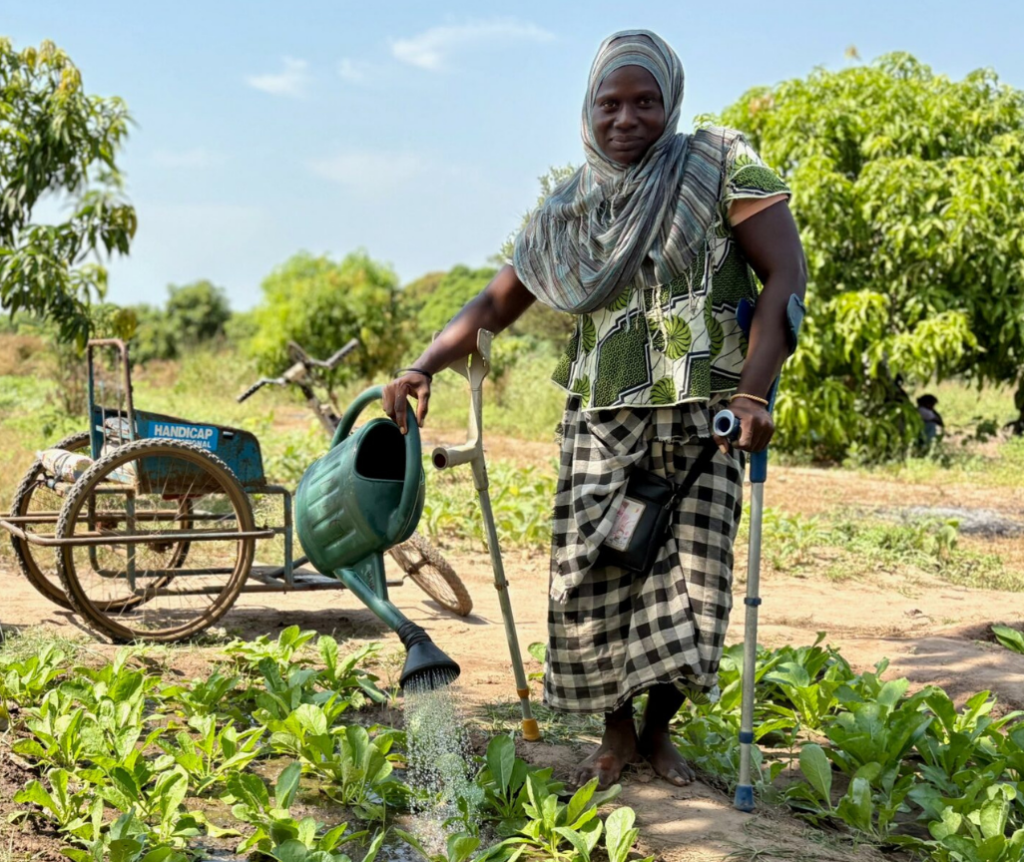
Growing Farmer Field Schools and our Priority Household Program across the Casamance, reaching people living with HIV, people living with disabilities, formally displaced communities, and women facing multiple layers of exclusion.

DIG Icon
Uganda

Deepening work with the Batwa and other marginalized communities through regenerative agriculture, soil restoration, biodiversity and land conservation programs.

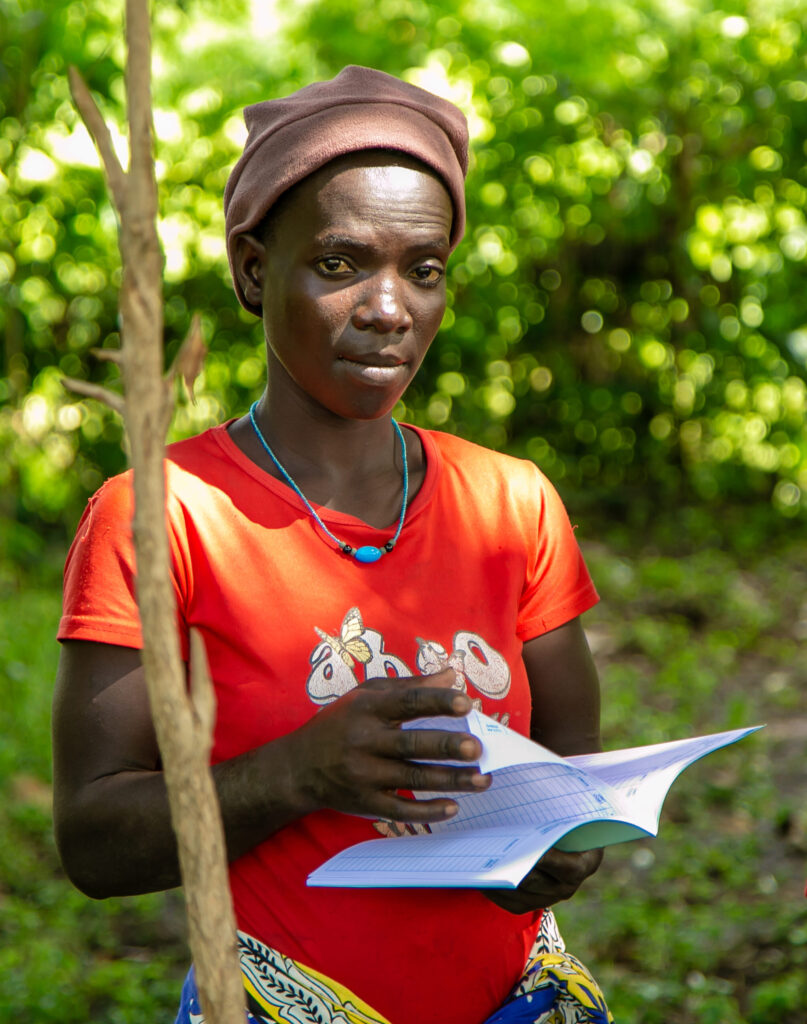
The farmers’ knowledge and leadership are key to building food systems that feed whole communities.

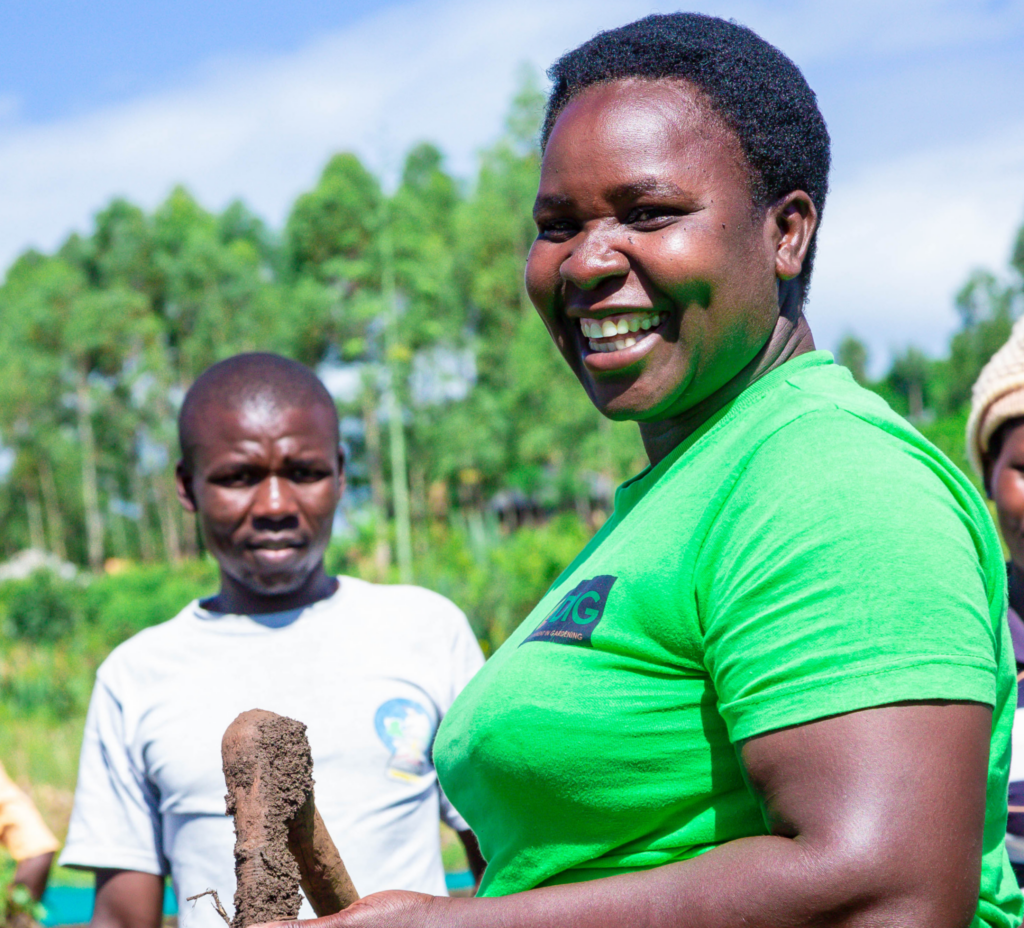
The farmers we partner with include Indigenous groups like the Batwa, people living with HIV and disabilities, and families facing chronic food insecurity. They have the most to gain, the deepest commitment to making it work, and an intimate understanding of what resilience actually requires.

DIG pairs field-based work with ongoing research to understand what’s working and why.

DIG’s approach is backed by peer-reviewed research and recognized by leading global institutions.

DIG received theFarmer Field School Innovation Award from the United Nations’ Food and Agriculture Organization (FAO), recognizing its community-led approach to sustainable agriculture

Research conducted in partnership with the National Institutes of Health (NIH) examines how DIG’s program improves health and nutrition outcomes for people living with HIV.

Peer-reviewed research on DIG’s model, published in Frontiers in Public Health, shows how community-led regenerative approaches improve food security in changing environments.

Read the Frontiers Research Article

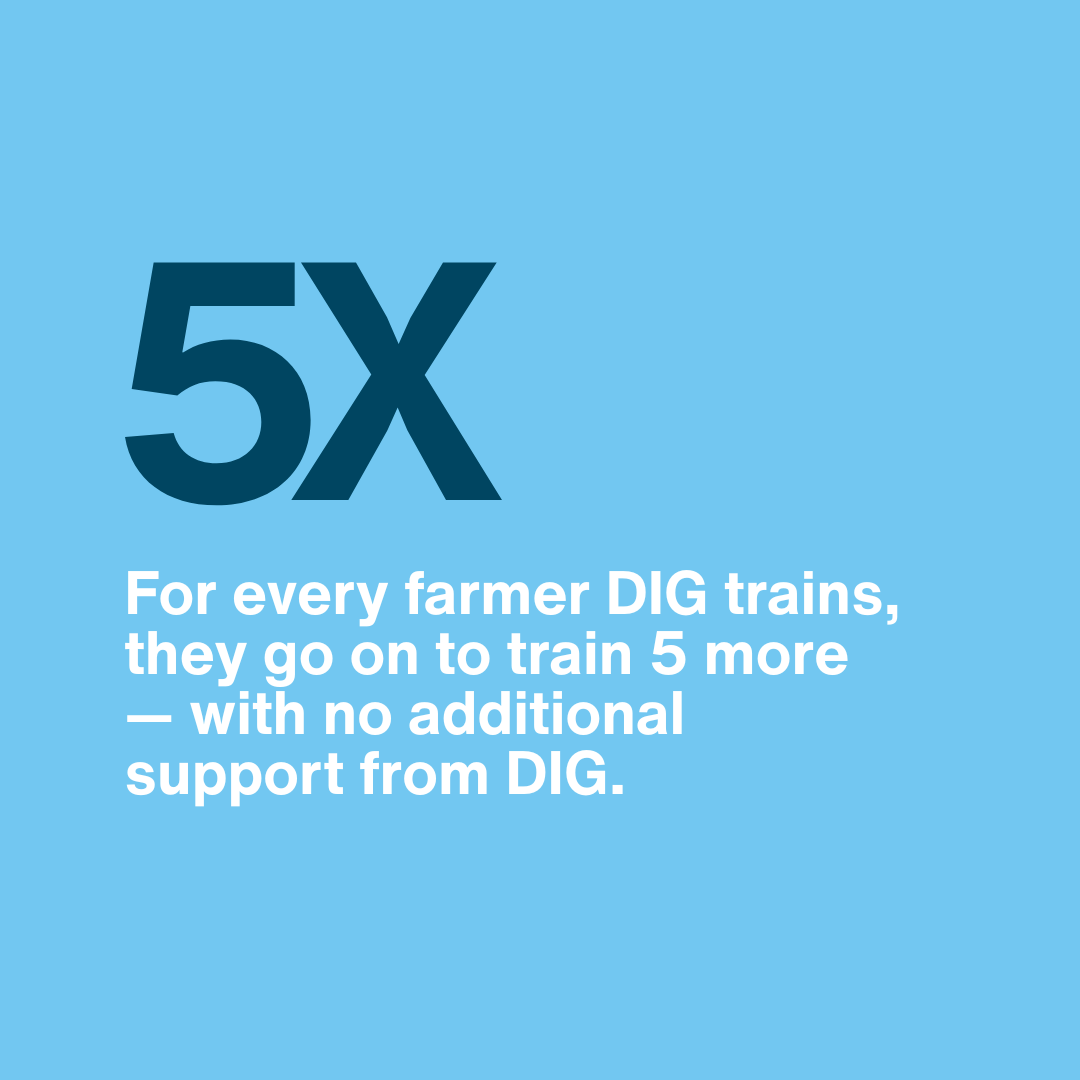
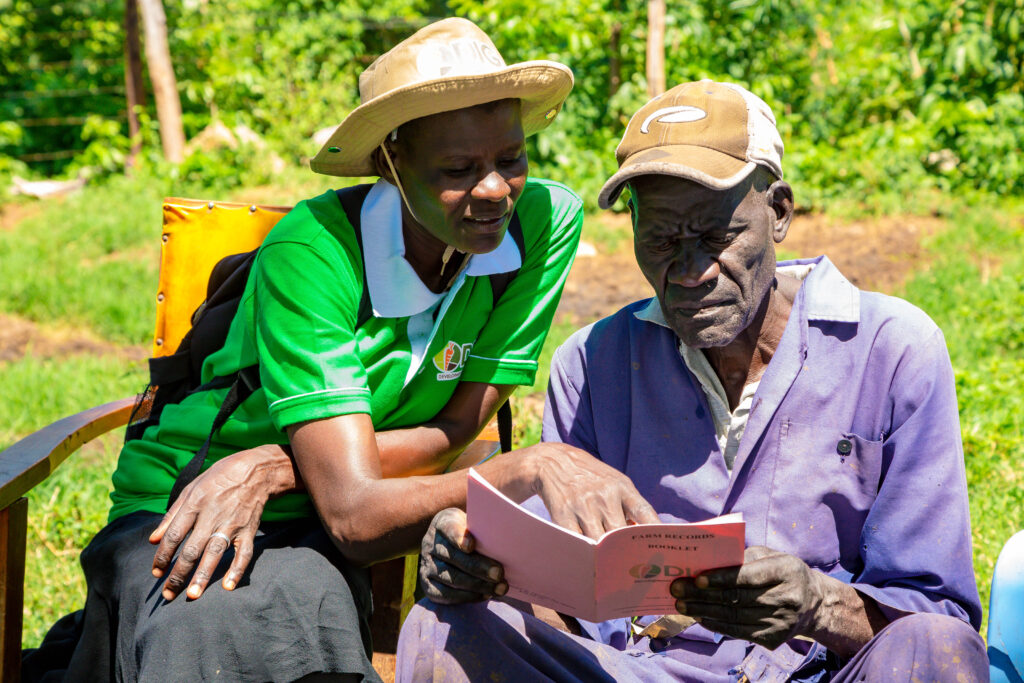
Farmers test and adapt regenerative farming practices to their land, learning from each other over time.

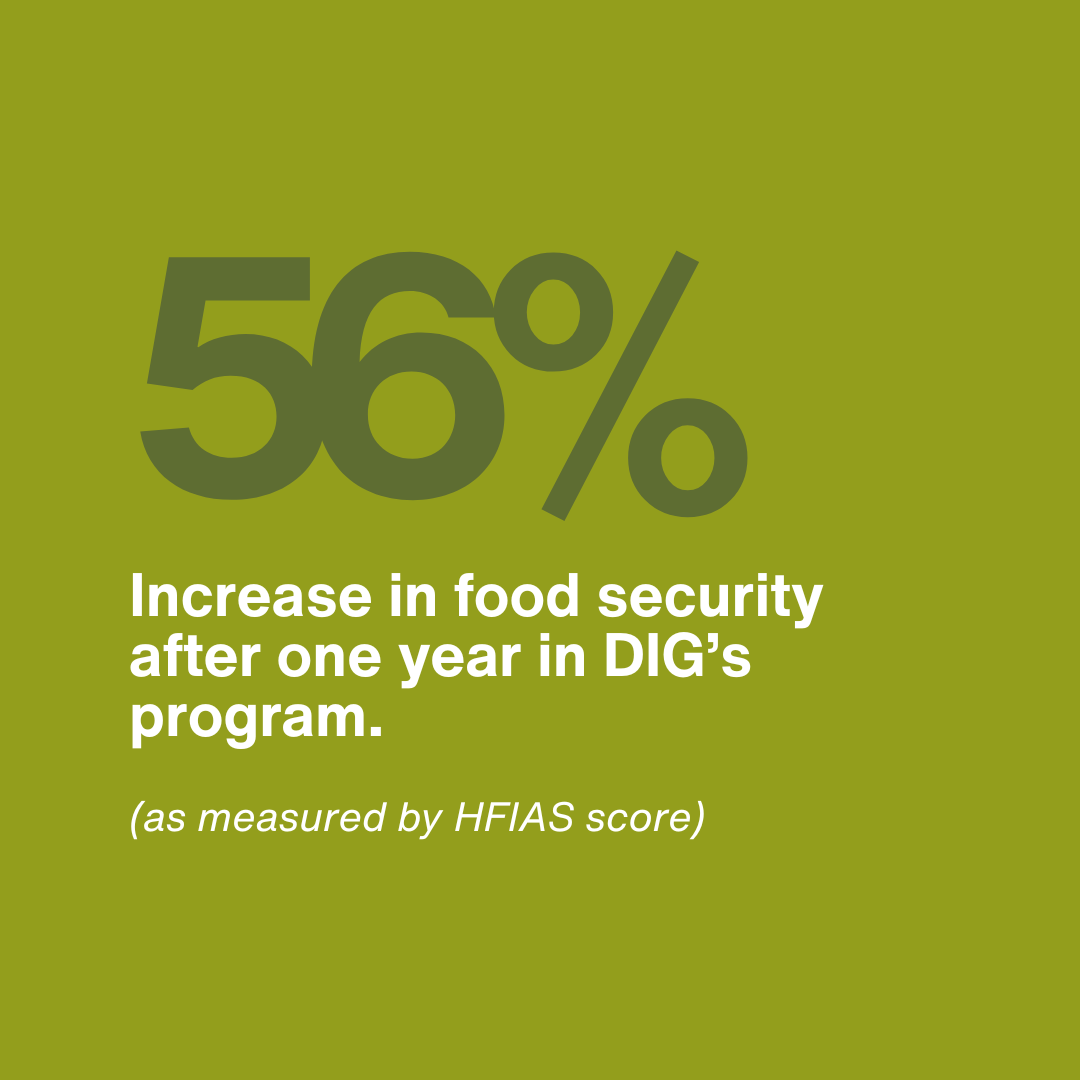
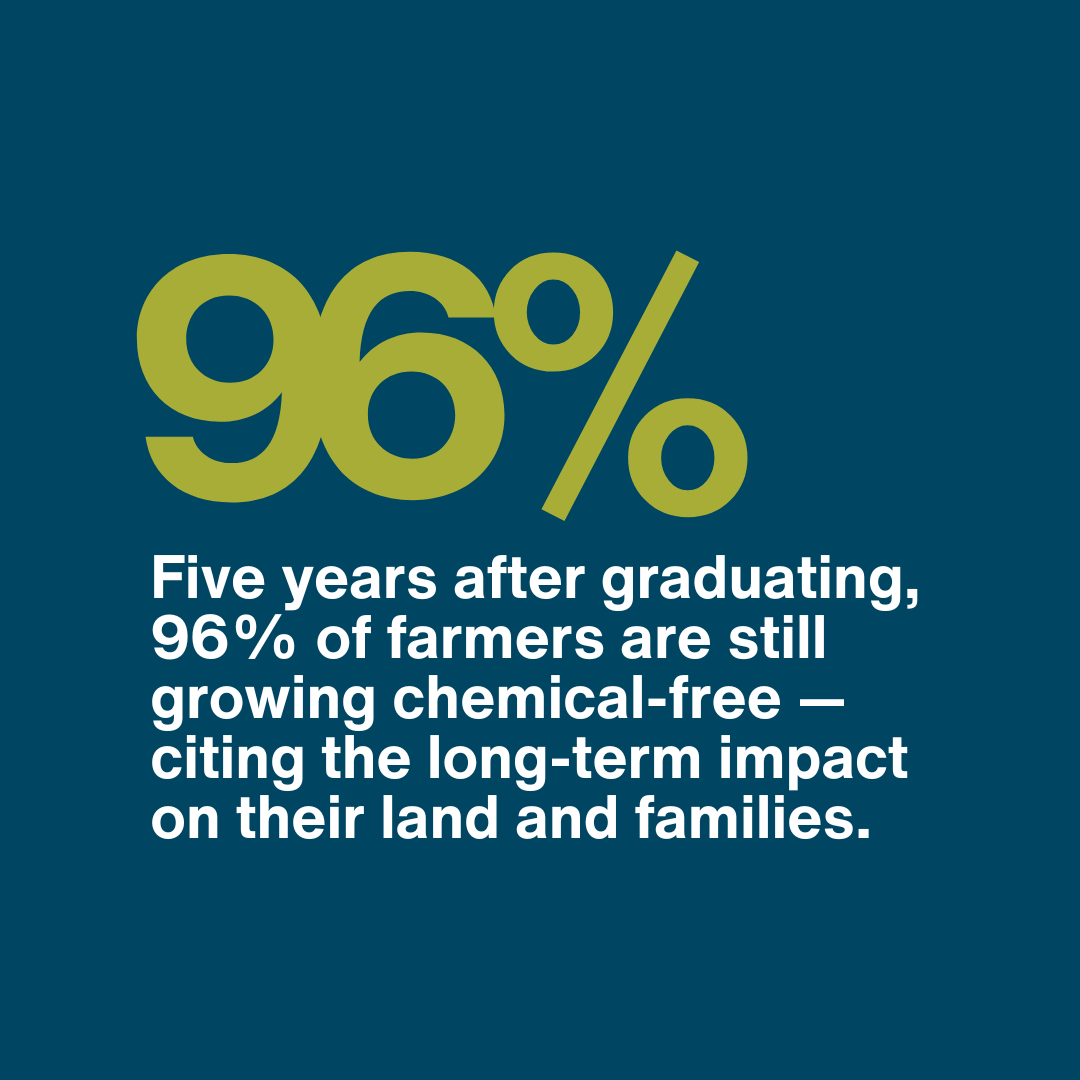
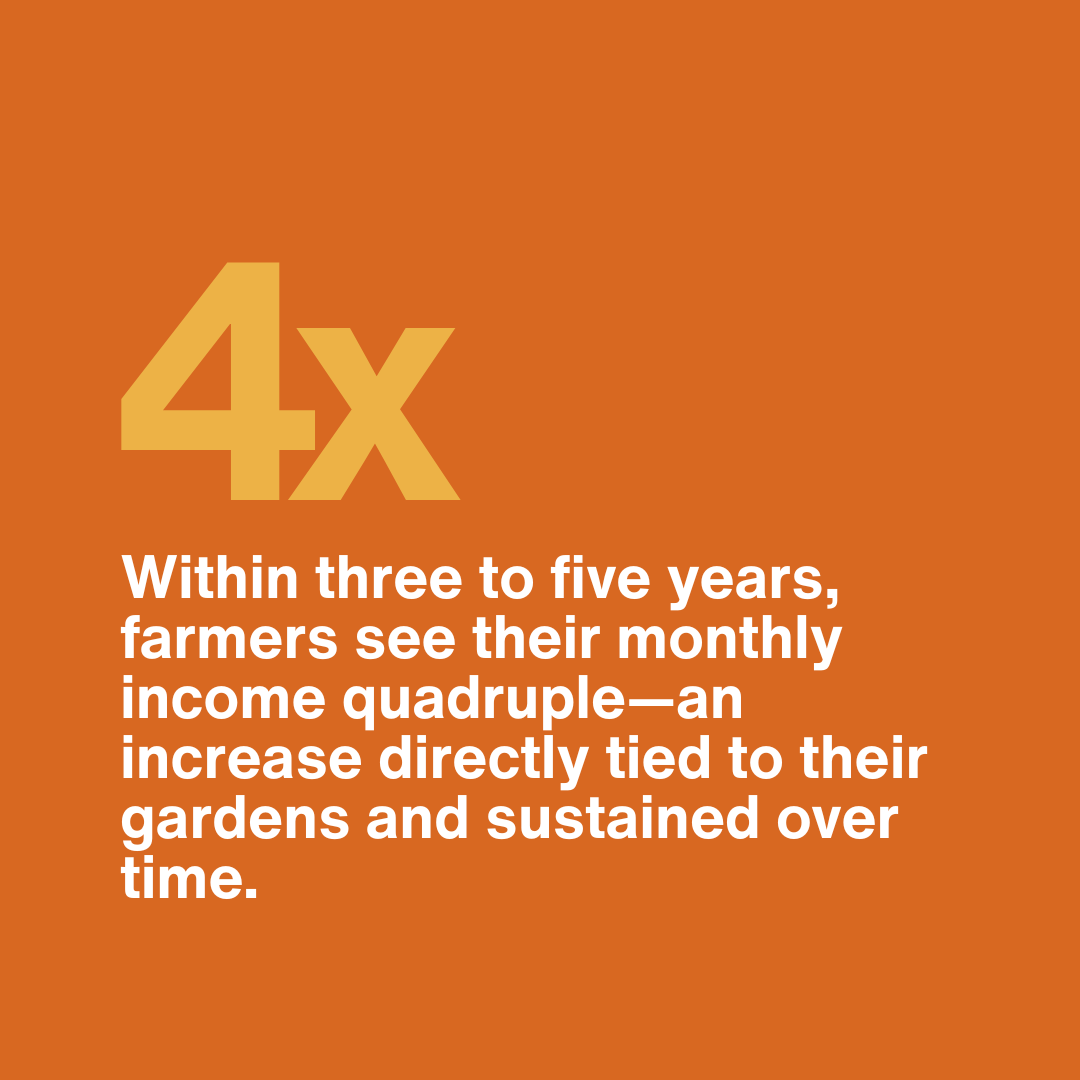
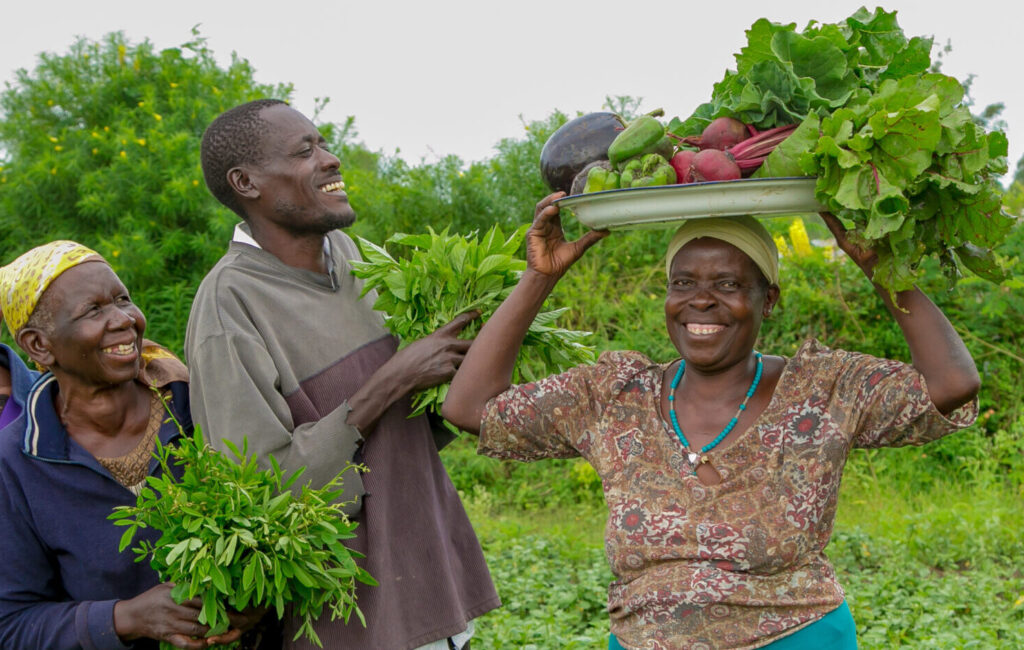
The result is more than a garden. It’s a system that improves soil, increases food and nutrition access, and strengthens household stability.

Our core programs, Farmer Field Schools, the Priority Household Program, and our Indigenous Food Preservation Project support this work at different stages, based on what communities need most.

Locally led isn’t a talking point. It’s how DIG is built.

In Kenya, Uganda, and Senegal, DIG operates as independent, locally led chapters, each with its own leadership and in-country board. Decisions are made close to the ground, where they belong. DIG’s global team plays a supporting role: resourcing chapters, strengthening alignment, and maintaining rigor behind the model.

DIG is needed now more than ever.

DIG has spent twenty years proving this model works. Now we’re ready to quadruple our annual reach — through locally led chapters built to last, and a growing role advising the broader sector on what locally led development can truly look like. Your investment can be the catalyst

Join Us

ABOUT DIG

  • Donate
  • Contact
  • Core Programs
  • DIG’s Mission
  • The DIG Model

Organizational Policies

  • State Nonprofit Disclosures
  • Financial Reports
  • Anti-Discrimination Statement
Copyright © 2026 Development in Gardening 
  • Press
  • Contact

Follow Us

X
Cocktails and Castoffs in Denver, April 19, 2026
Join Us