Skip to content
DIG
  • DIG
  • Who We Are
    • Team
    • Board of Directors
    • Partners
  • What We Do
    • Core Programs
    • The DIG Model
    • The History of DIG’s Growth
    • Committed to Principles of Agroecology
    • Committed to Principles for Locally Led Adaptation
  • Where We Grow
    • DIG Kenya
    • Uganda
    • Senegal
  • Our Impact
    • How We Measure our Impact
    • Pillars of Impact
    • Food Security
    • Social Cohesion
    • Nutrition & Health
    • Climate Resilience
    • Financial Resilience
  • DIG News
    • DIG’s Latest Impact Report
    • Blogs
    • Recipes
    • Videos
    • Media | Press
    • Visit Uganda In Virtual Reality
  • Take Action
    • Donate
    • 20 Before 20
    • DIG Field Trips
    • Thank you, Denver
    • Thank you, San Francisco
    • Careers
    • Involvement Opportunities
    • Contact DIG
  • Donate
    • Donate
    • 20 Before 20
    • Shop the DIG Gift Garden
    • State Nonprofit Disclosures
Core Programs

Explore DIG's Core Programs


Farmer Field Schools 

Priority Household Program 

The Indigenous Foods Preservation Project 

DIG’s Core Programs…

  • Farmer Field Schools

  • Indigenous Foods Preservation Project

  • Priority Households

…are having a profound impact on:

  • Nutrition & Health

  • Food Security

  • Climate Resilience

  • Financial Resilience

  • Social Cohesion

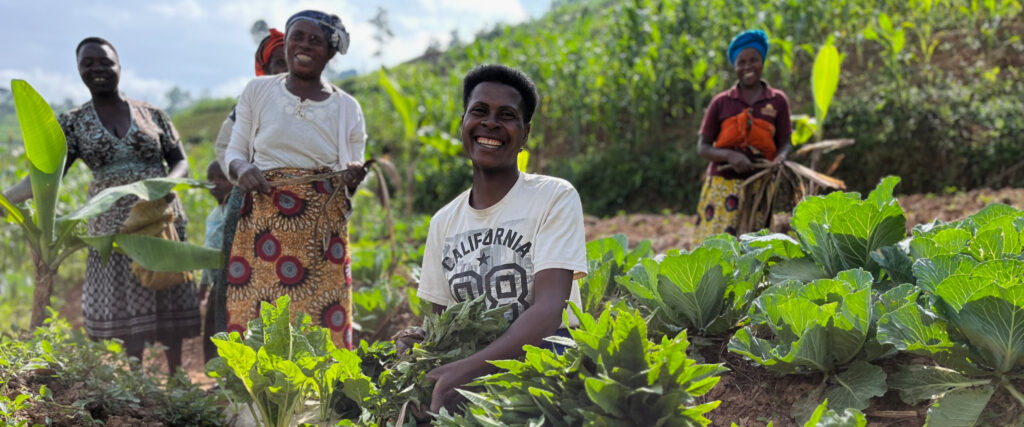
DIG’s commitment to participatory development is rooted in the principles and practices of regenerative agriculture, allowing us to achieve deep and wide-reaching results that scale organically into the community.

Gardens are a powerful intervention point for systems change. Their very nature is a model for us to work in partnership with people and the land. 

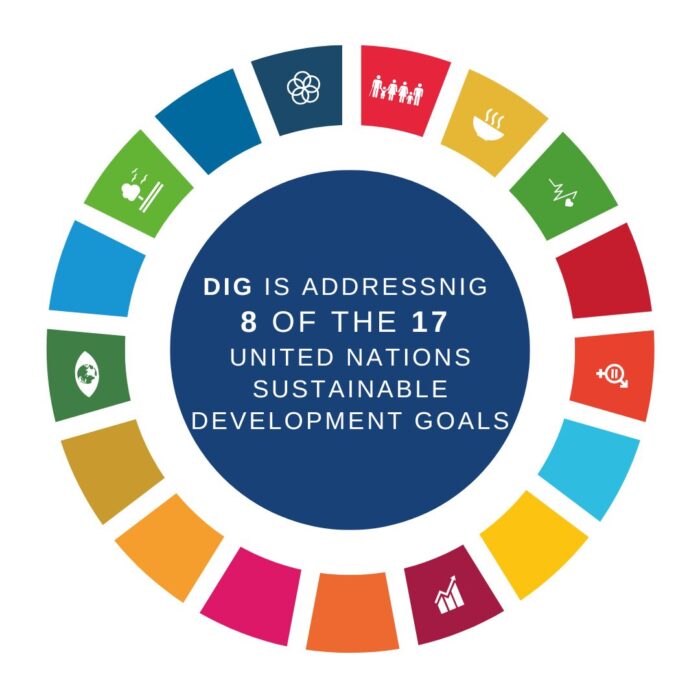
Our adaptive approach puts DIG at the core of the world agenda set by the United Nations for alleviating poverty, protecting the planet, and ensuring peace and prosperity in the world.


For those living on the fringes, the barriers to good nutrition are broad and nuanced.

DIG’s adaptive program prioritizes uniquely marginalized groups who are often left out of other development opportunities, groups like:
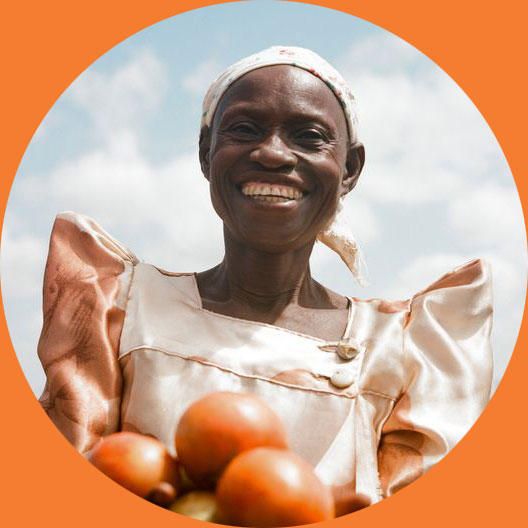
  • Elderly Households

  • People living with HIV

  • Conservation Refugees, (such as the Batwa)

  • People Living with Disabilities

  • Chronically Malnourished Children

  • Young Mothers

  • The Ultra Poor

  • and others, there are no barriers to participation.


Help Us Plant The Seed

Help Us Plant The Seed

Your support will grow our capacity to equip uniquely marginalized families with the skills and experience to meet their own needs and improve their well-being through climate smart, nutrient-dense gardening. Help us plant the seeds. Consider a contribution today.

Learn More

ABOUT DIG

  • Donate
  • Contact
  • Core Programs
  • DIG’s Mission
  • The DIG Model

Organizational Policies

  • State Nonprofit Disclosures
  • Financial Reports
  • Anti-Discrimination Statement
Copyright © 2025 Development in Gardening 
  • Press
  • Contact

Follow Us

X
Join DIG and Plant
20 Gardens Before 20