Skip to content
DIG
  • DIG
  • Who We Are
    • Team
    • Board of Directors
    • Partners
  • What We Do
    • Core Programs
    • The DIG Model
    • The History of DIG’s Growth
    • Committed to Principles of Agroecology
    • Committed to Principles for Locally Led Adaptation
  • Where We Grow
    • DIG KENYA
    • Uganda
    • Senegal
  • Our Impact
    • How We Measure our Impact
    • Pillars of Impact
    • Food Security
    • Social Cohesion
    • Nutrition & Health
    • Climate Resilience
    • Financial Resilience
  • DIG News
    • DIG’s Latest Impact Report
    • Blogs
    • Recipes
    • Videos
    • Media | Press
    • Visit Uganda In Virtual Reality
  • Take Action
    • Donate
    • 20 Before 20
    • 2026 DIG Kenya Field Trip
    • Careers
    • Involvement Opportunities
    • Contact DIG
  • Donate
    • Donate
    • 20 Before 20
    • Shop the DIG Gift Garden
    • State Nonprofit Disclosures
Financial Resilience

By prioritizing the most vulnerable communities: people living with HIV, chronically malnourished, extremely impoverished, physically disabled, and the elderly, DIG is filling a gap unmet by many providers. DIG aims to move them above a nutritional and economic threshold, where they can then access additional services and markets otherwise unavailable to them.

This is a critical link in a larger and more wholistic response to poverty and hunger worldwide; it is the very foundation for the United Nation’s Sustainable Development Goals overall success.

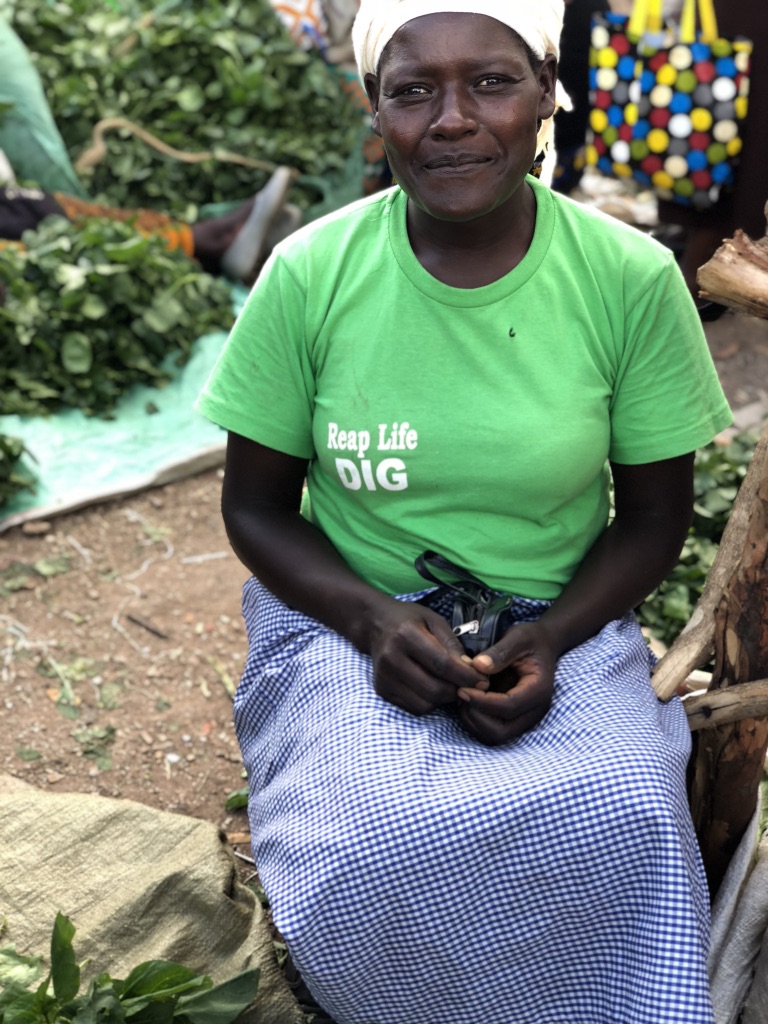
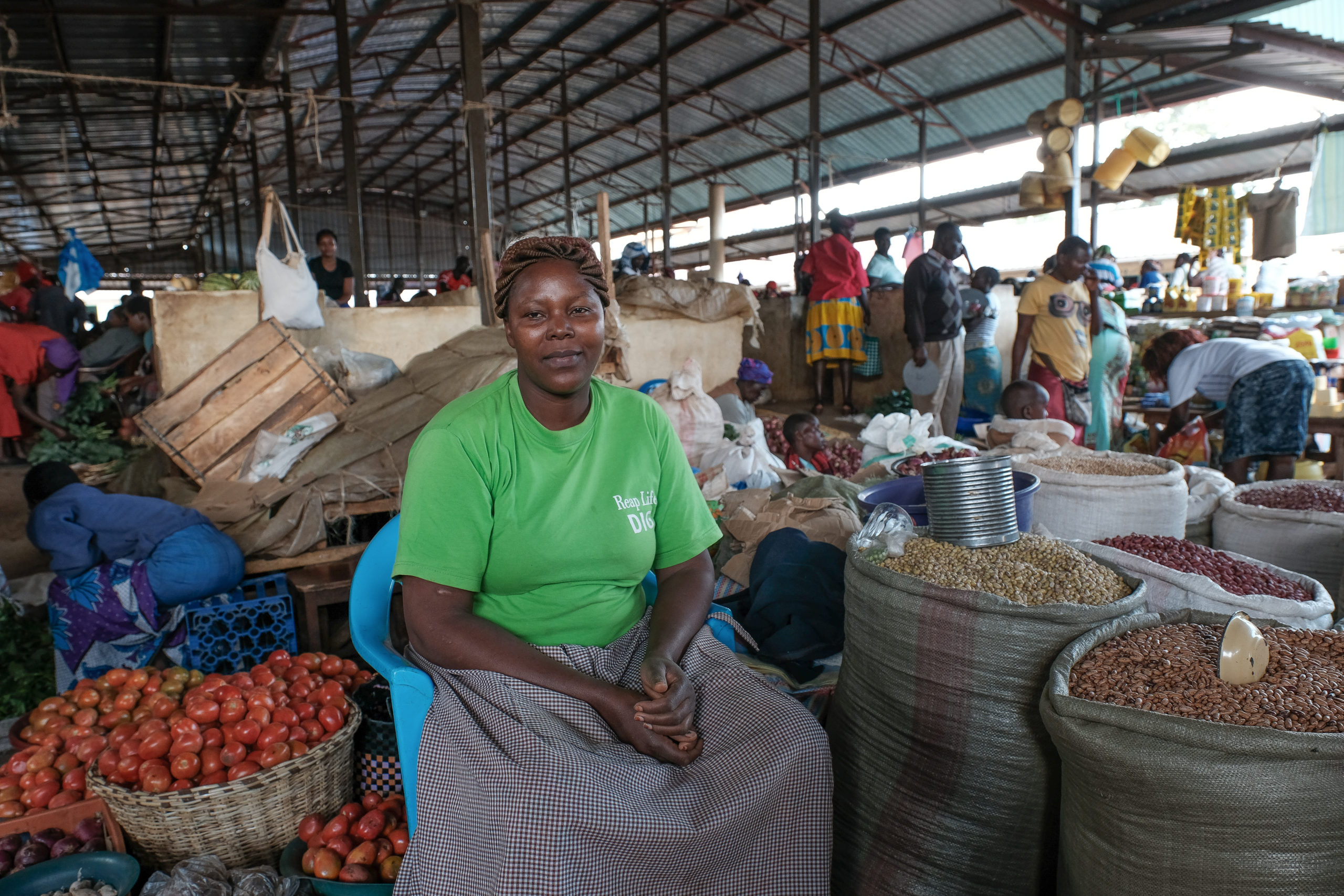
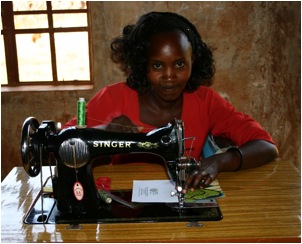
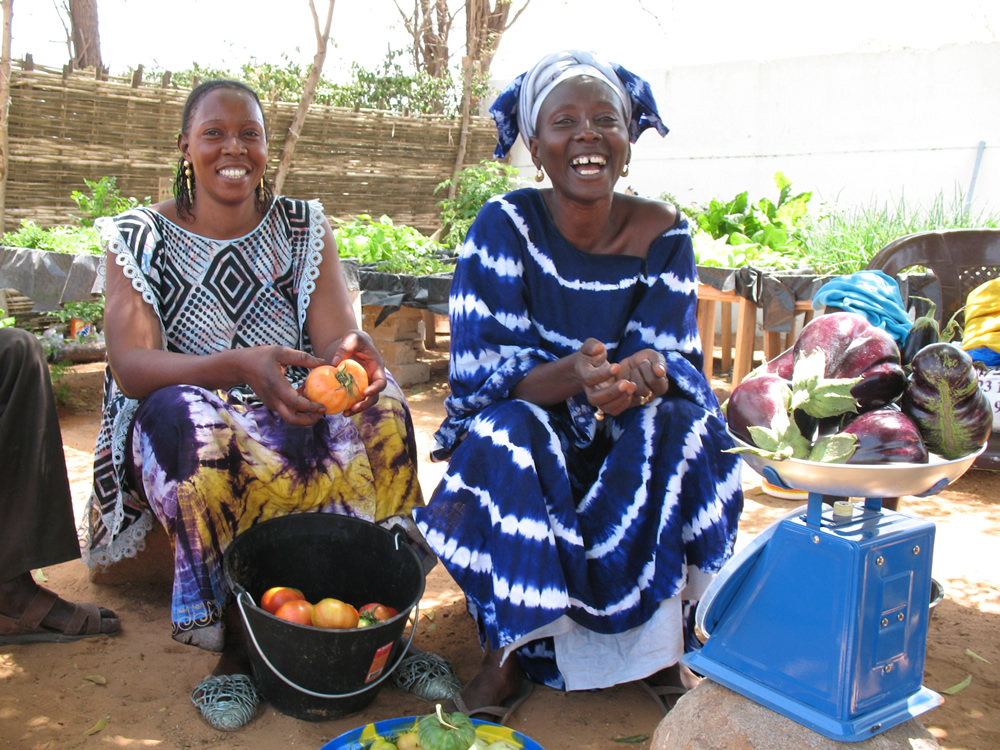
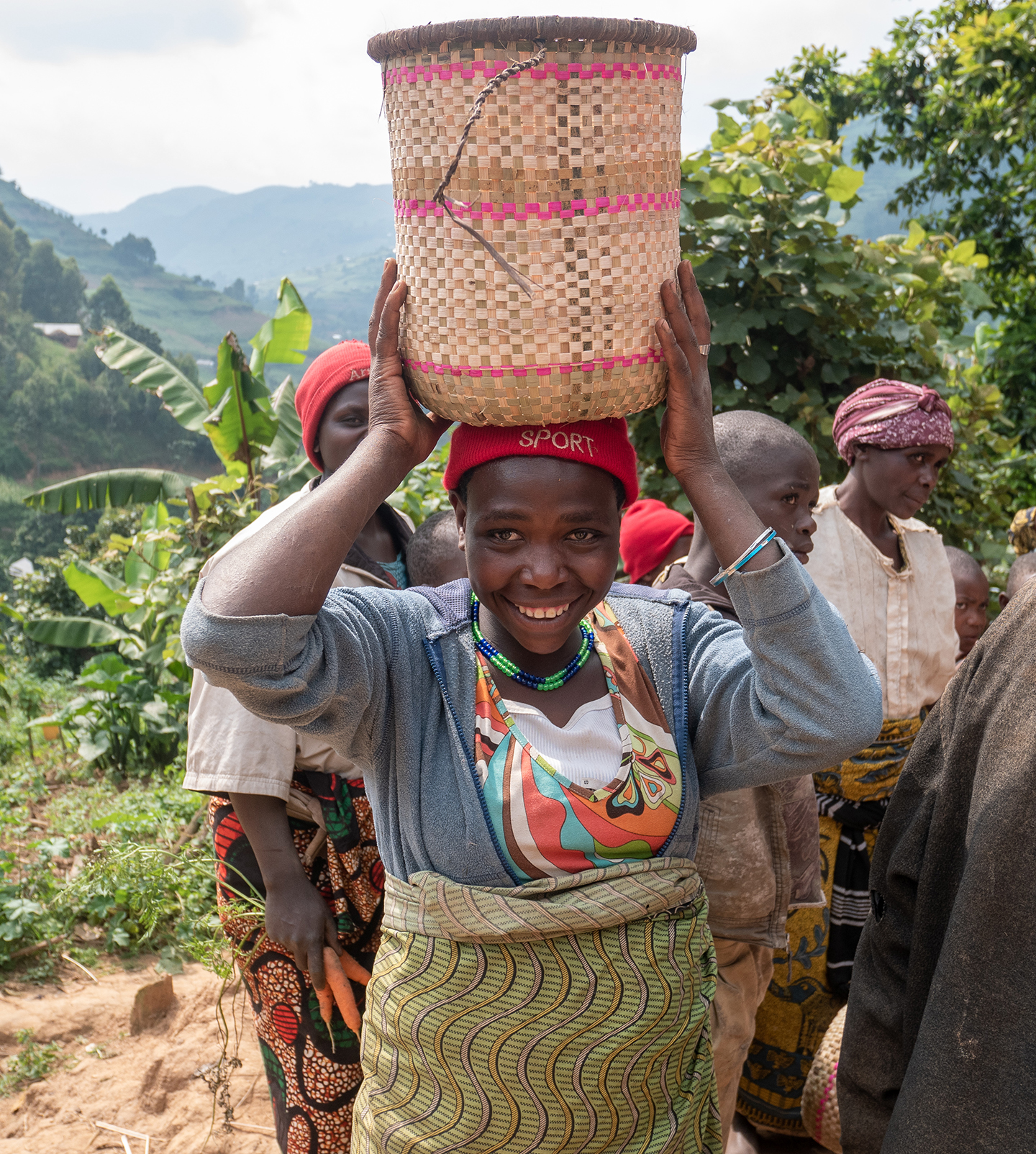
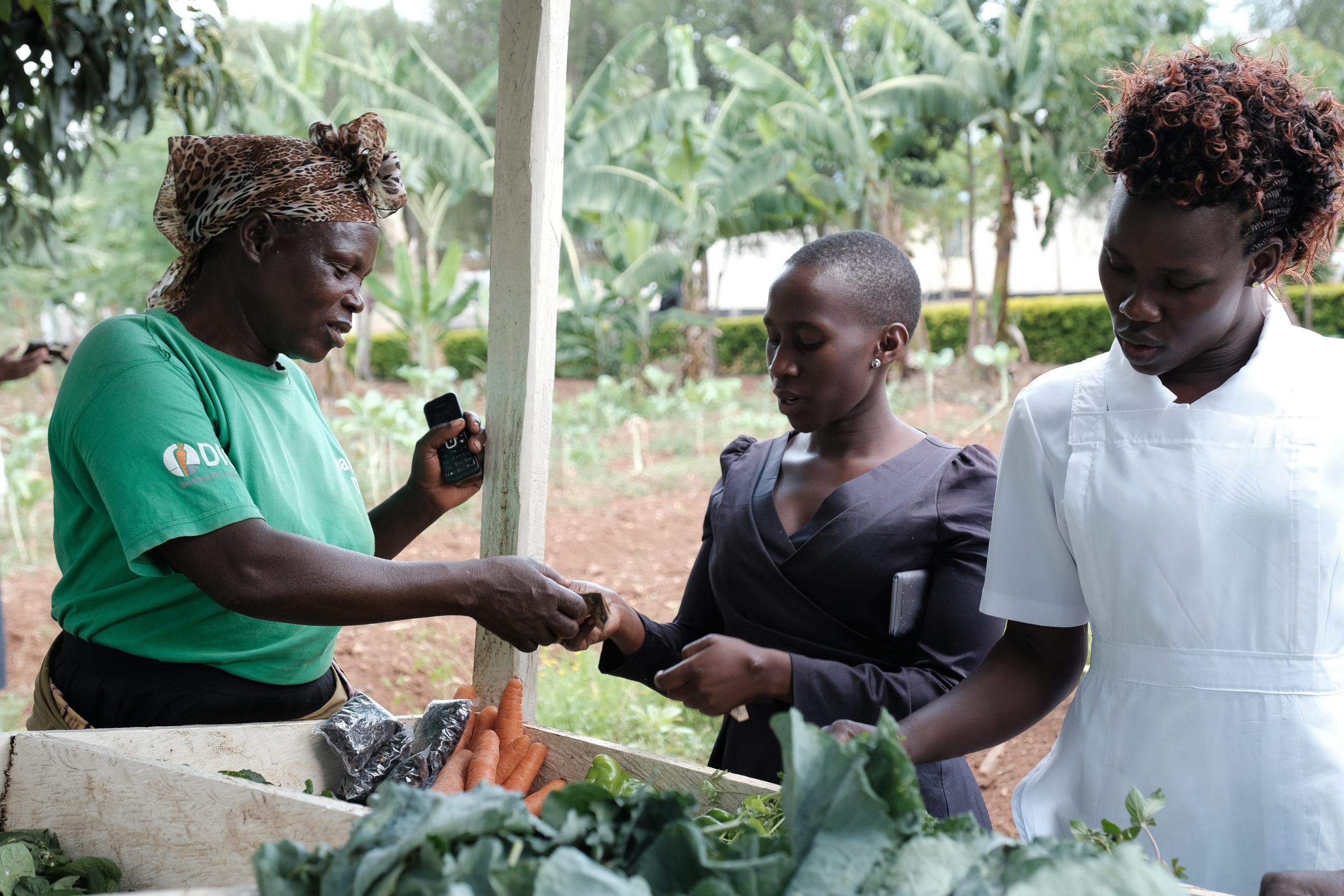
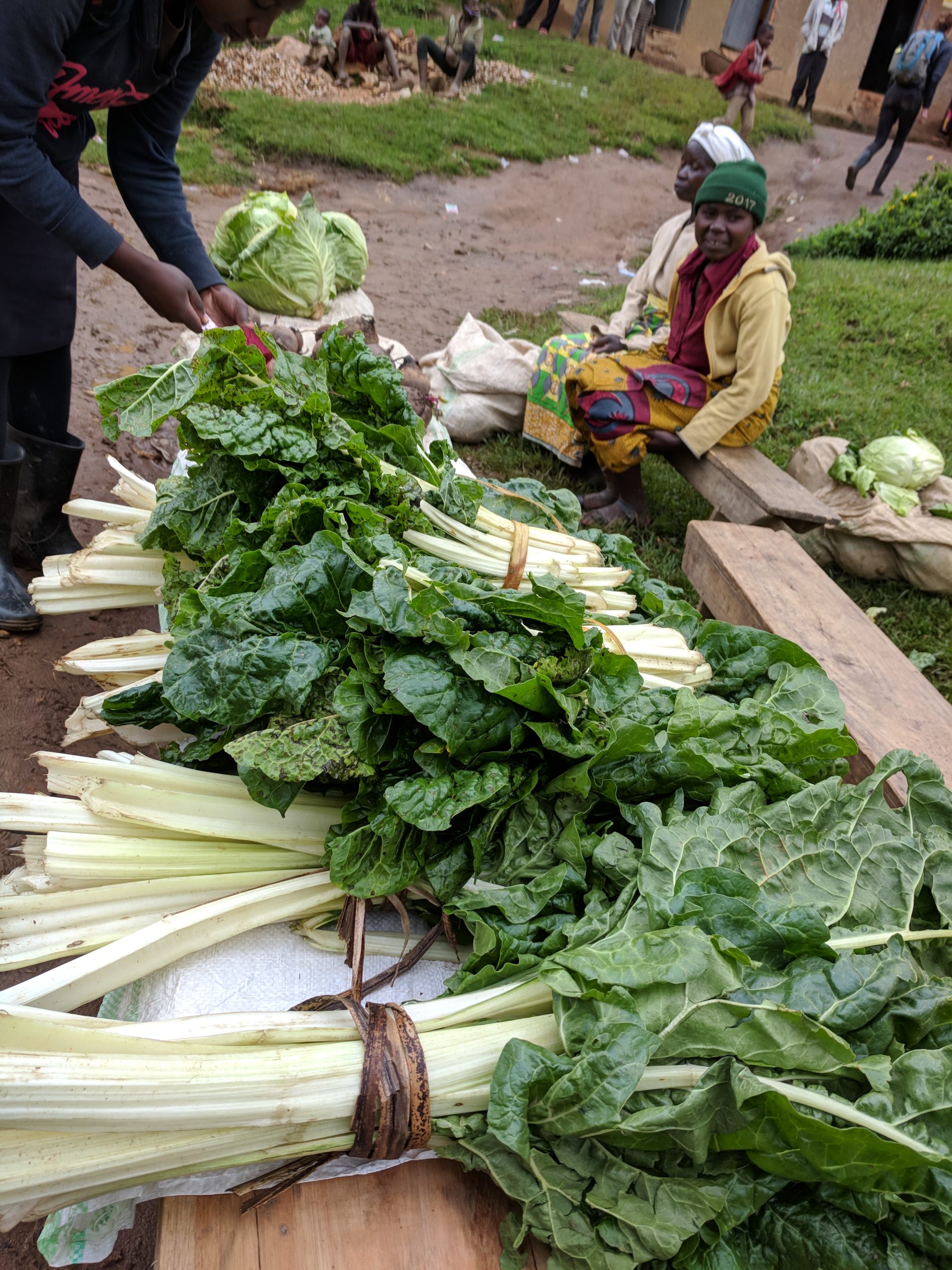
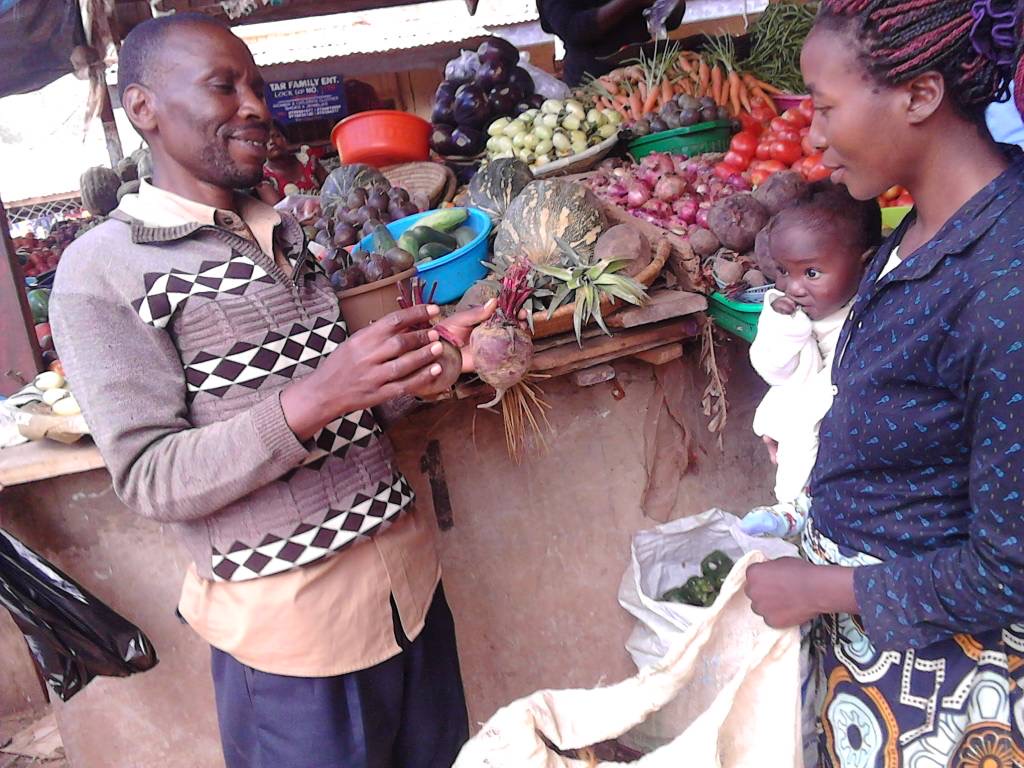
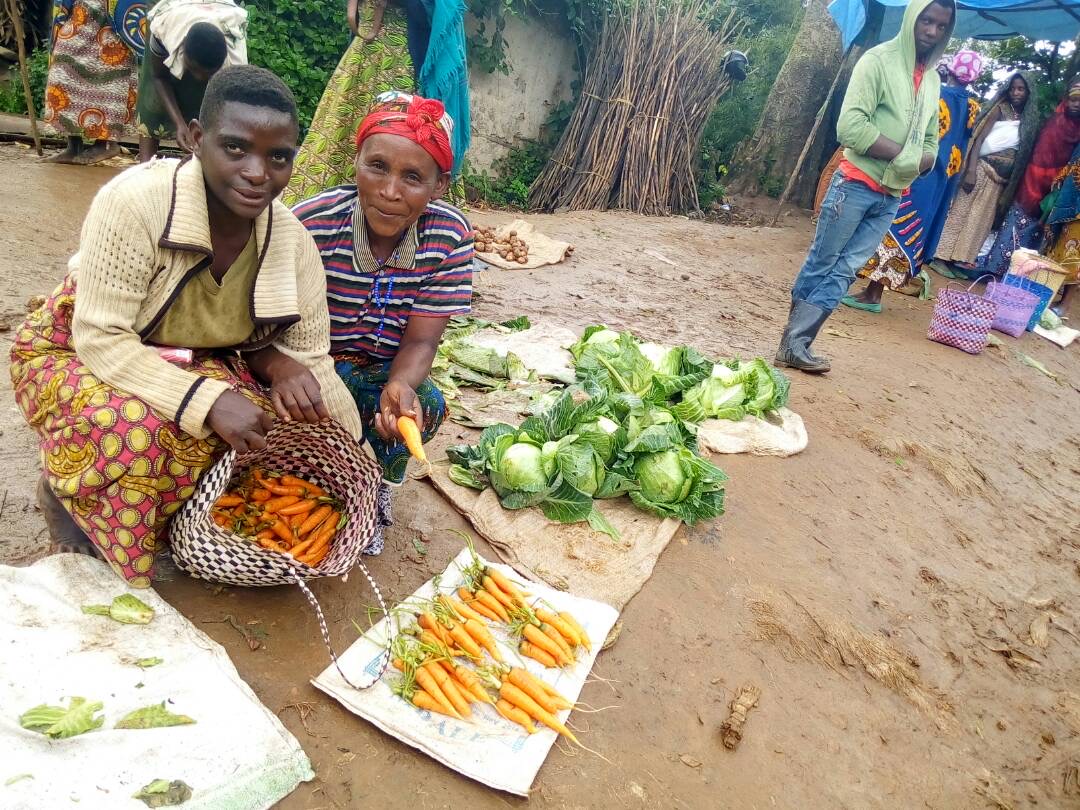
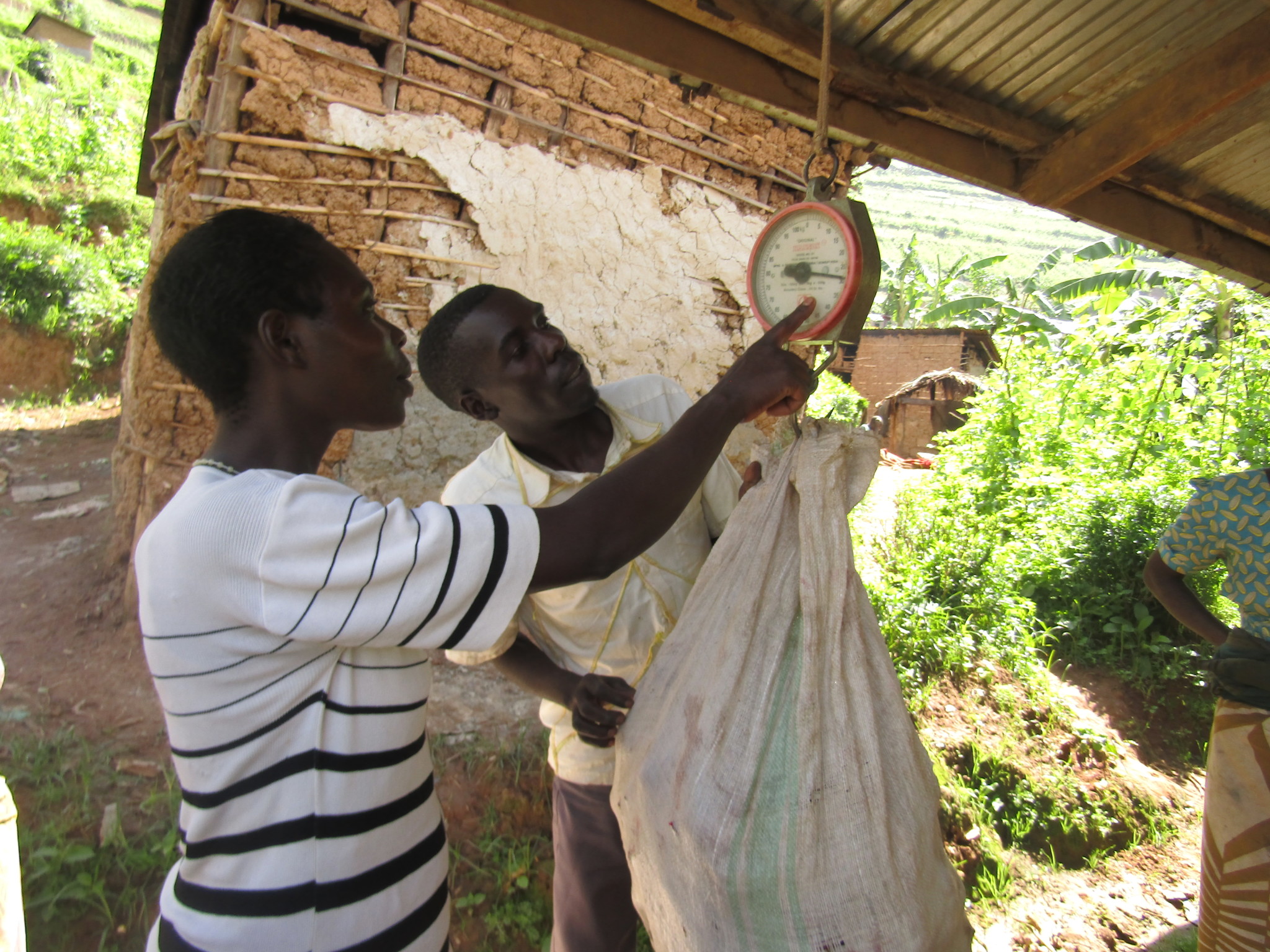
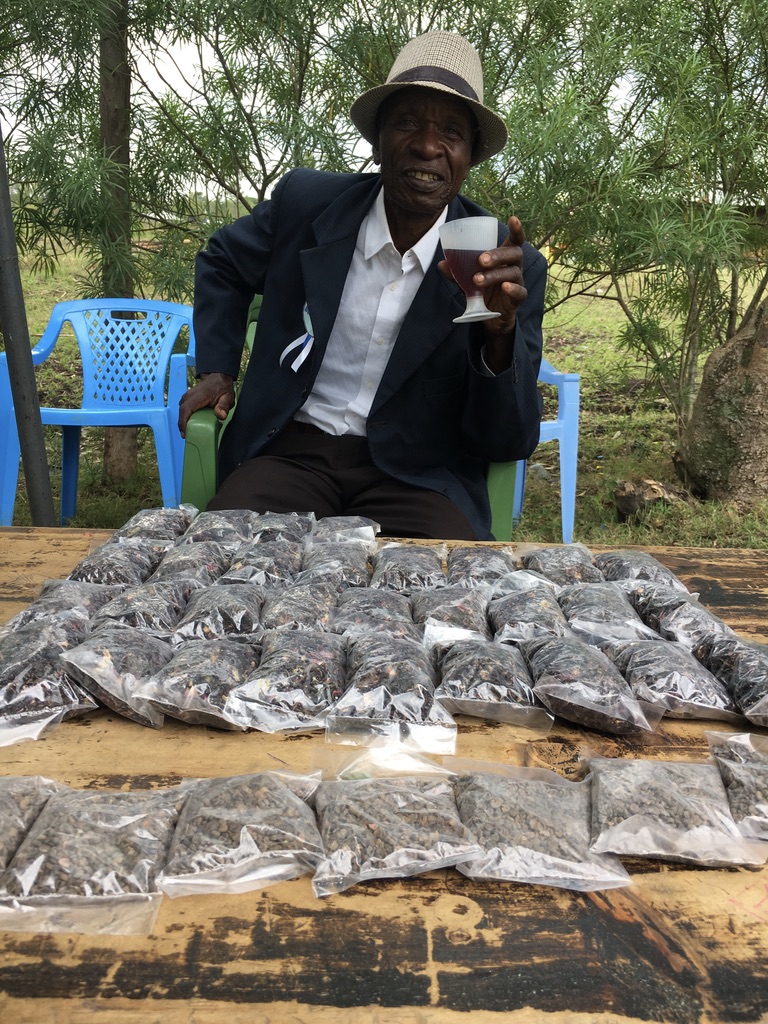
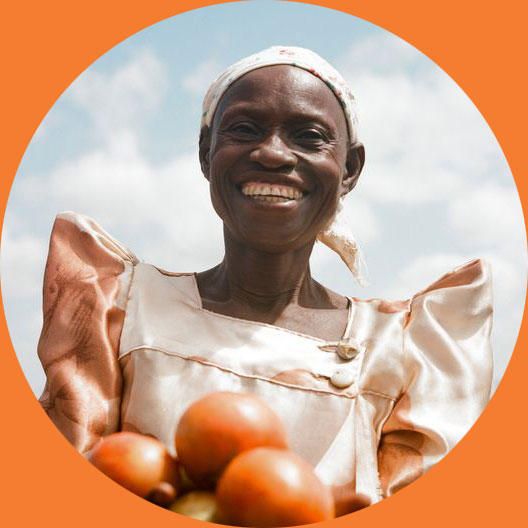
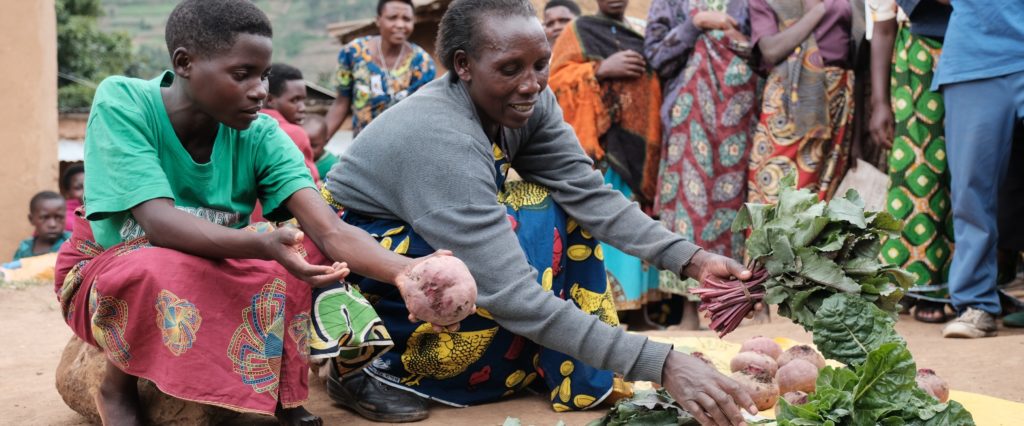
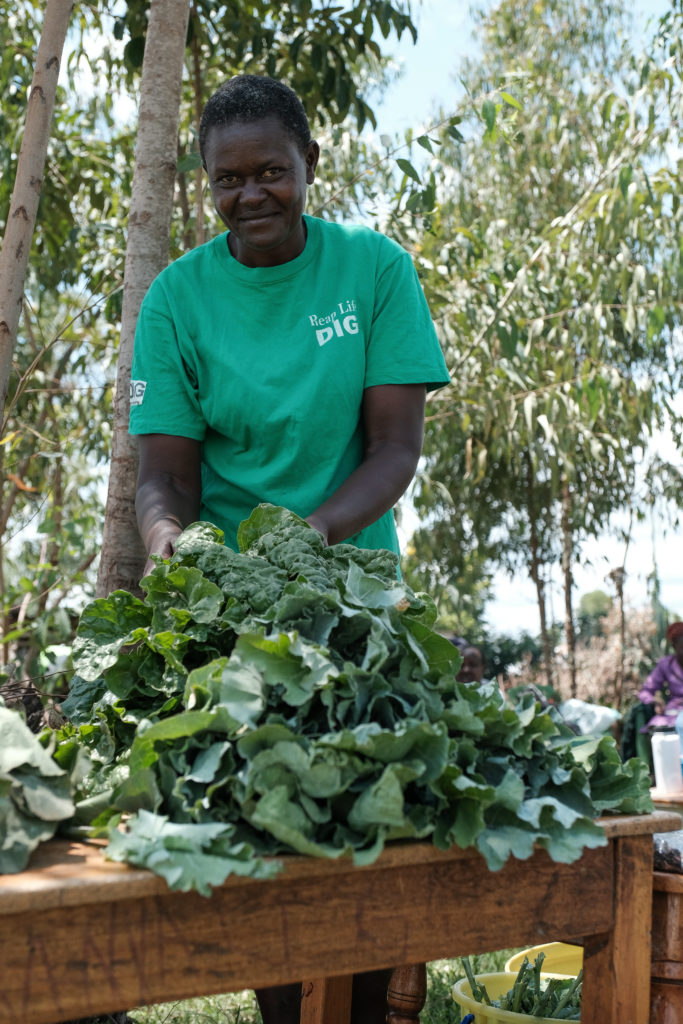
On average, DIG graduates are able to almost triple their income from the sales of their excess garden produce. Their annualized gains, from produce sale and savings from sourcing meals from their gardens, is roughly $420 a year. That’s enough to move them above the local poverty line and on to something greater.

This newfound economic stability allows them to realize dreams of sending their children to school, investing in their homes, or covering important medical expenses.

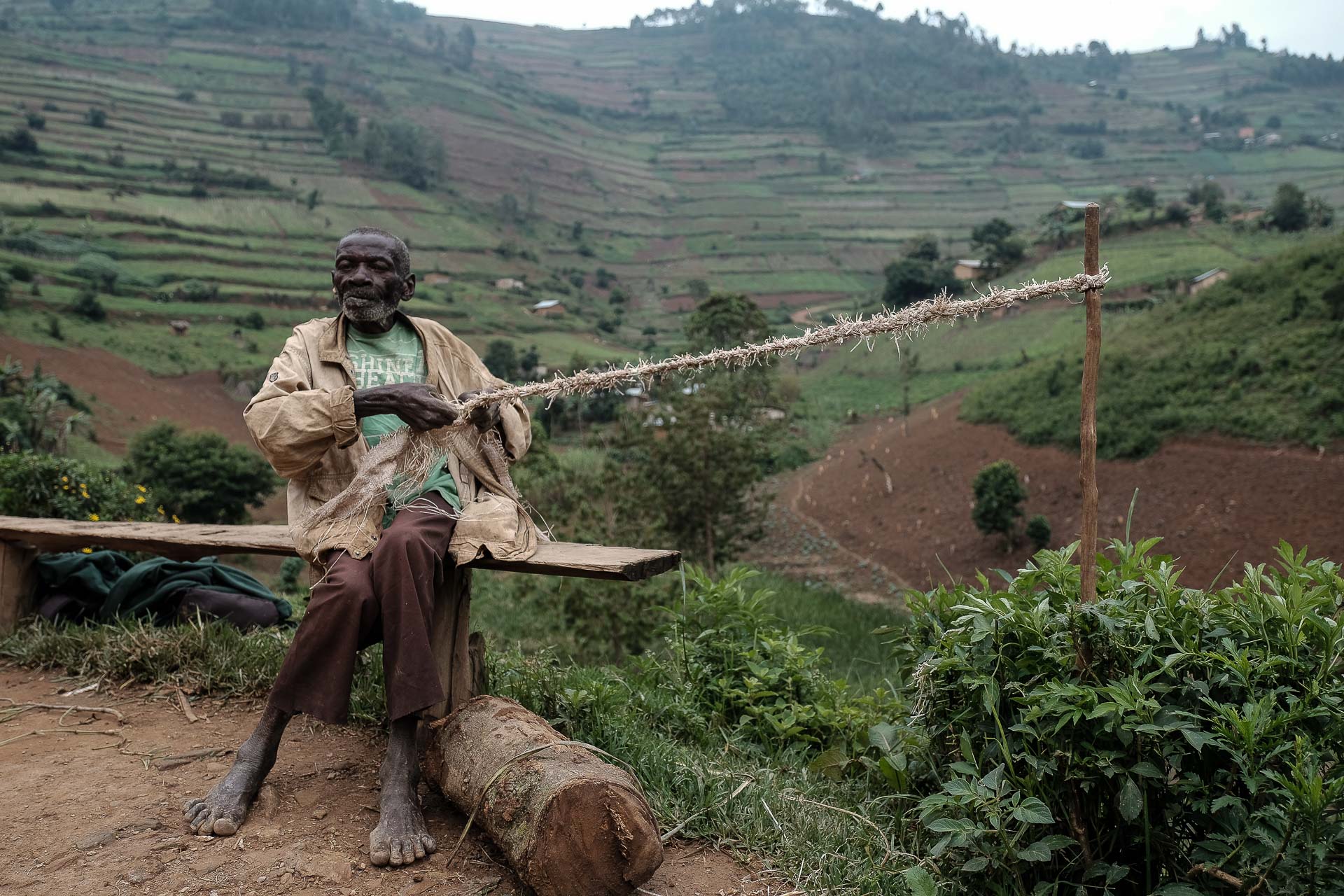
It’s worth noting that while other models take existing farmers and make them more profitable, many of DIG’s graduates were not farmers when they met us, and most had never thought a farming business was a career choice they could make.
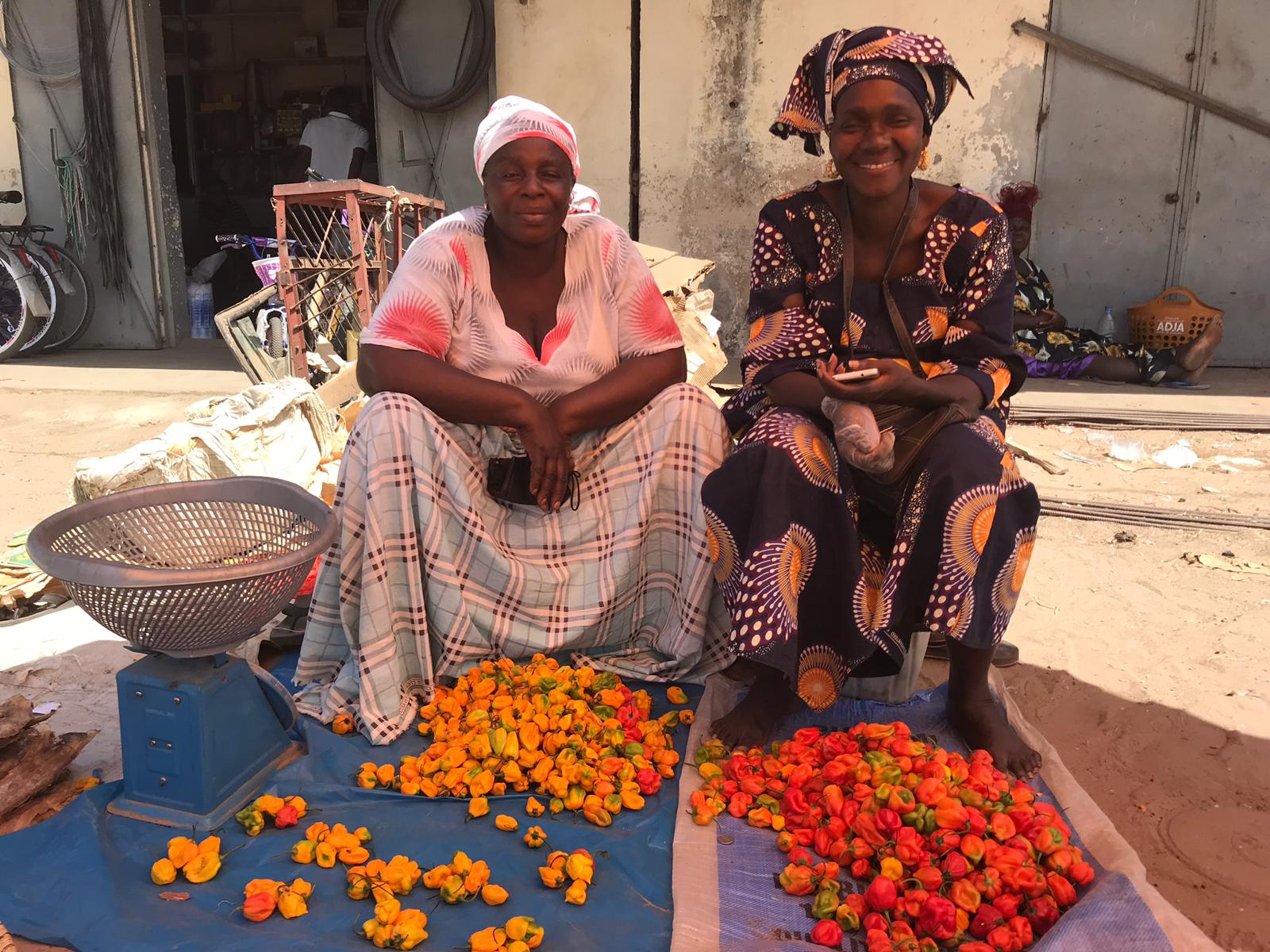
3x

the average increase in weekly income DIG farmers gain from selling their excess produce.


Stories From The Field: Income Generation
Help Us Plant The Seed

Help Us Plant The Seed

Your support will grow our capacity to equip uniquely marginalized families with the skills and experience to meet their own needs and improve their well-being through climate smart, nutrient-dense gardening. Help us plant the seeds. Consider a contribution today.

Learn More

ABOUT DIG

  • Donate
  • Contact
  • Core Programs
  • DIG’s Mission
  • The DIG Model

Organizational Policies

  • State Nonprofit Disclosures
  • Financial Reports
  • Anti-Discrimination Statement
Copyright © 2026 Development in Gardening 
  • Press
  • Contact

Follow Us

X
Join DIG in Kenya
Our May 2026 Trip