Stories From The Field: Food Security
Filters

How Anastasia’s Garden Transformed Her Family’s Future

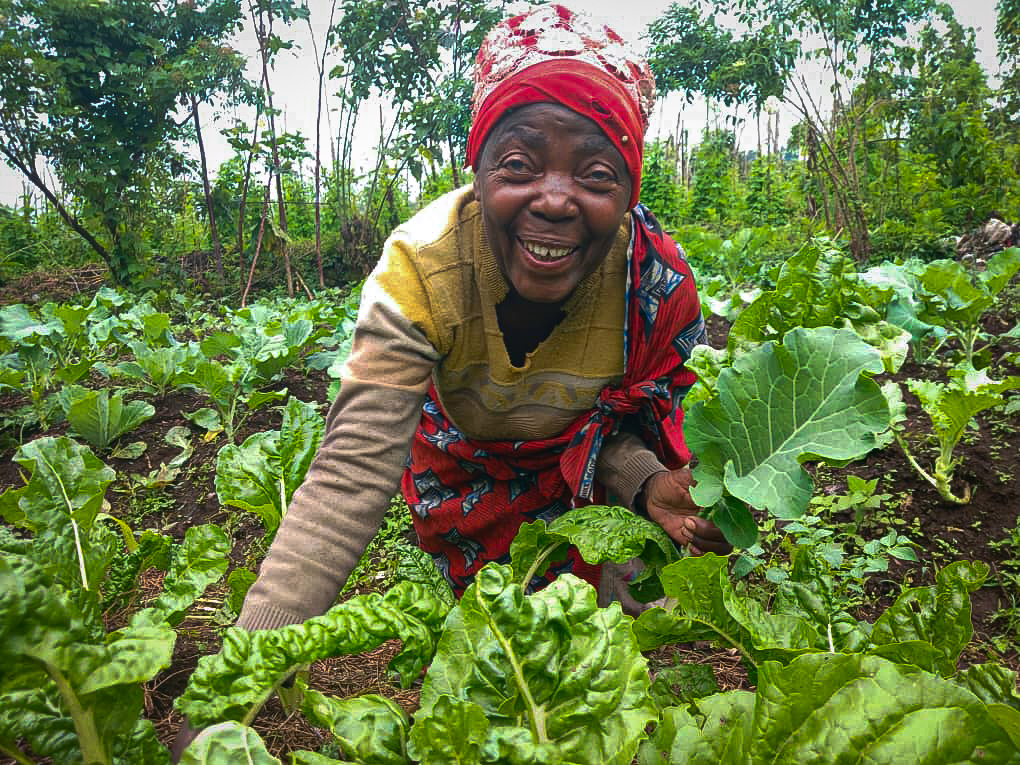
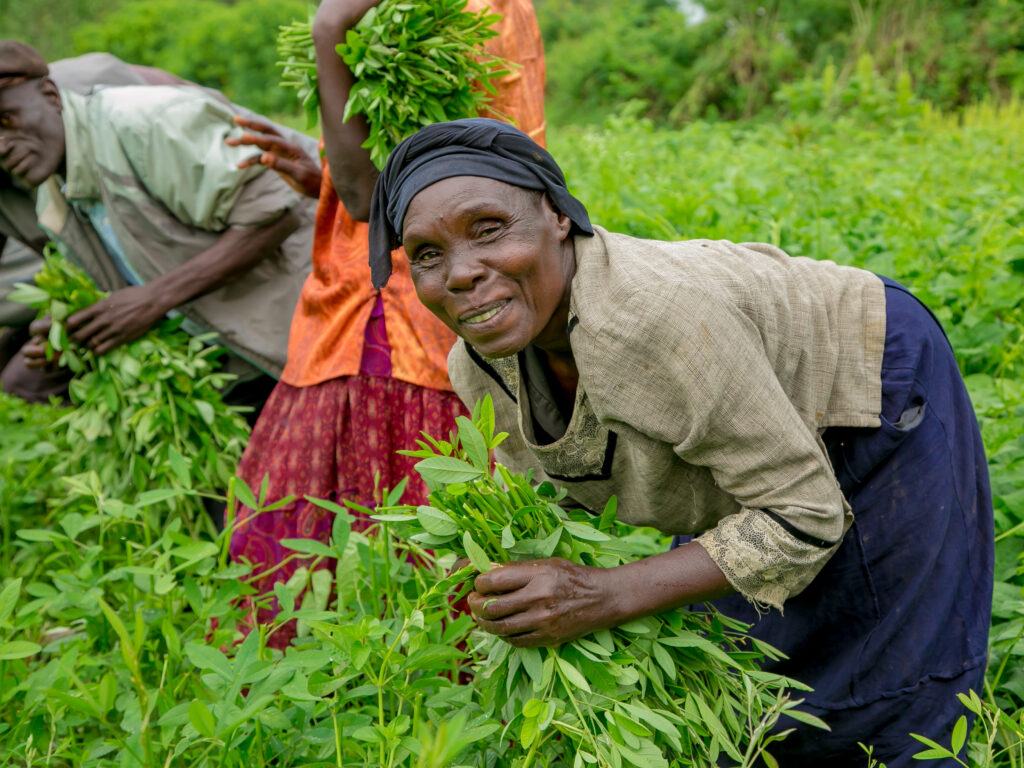
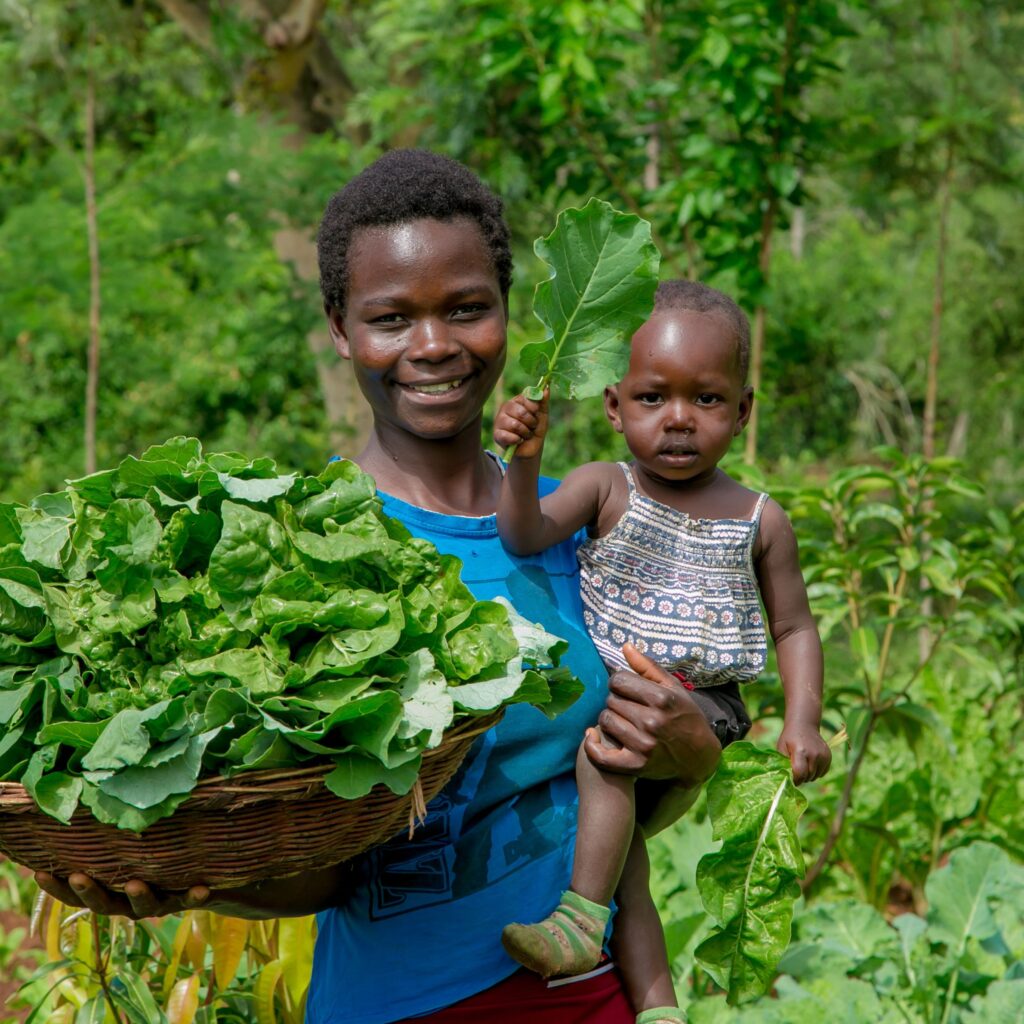
Meet Anastasia For millions around the world, including women like Anastasia from the Kanyabukungu Batwa group in Uganda, “food security” is an elusive concept. Anastasia, an 80-year-old widow, has spent years navigating the harsh realities of food insecurity. Caring for 14 family members, her children and grandchildren, she has been carrying the heavy burden of providing for them all. Many nights, there was no food, and she and her family went to bed on empty stomachs. To survive, Anastasia and

Read More

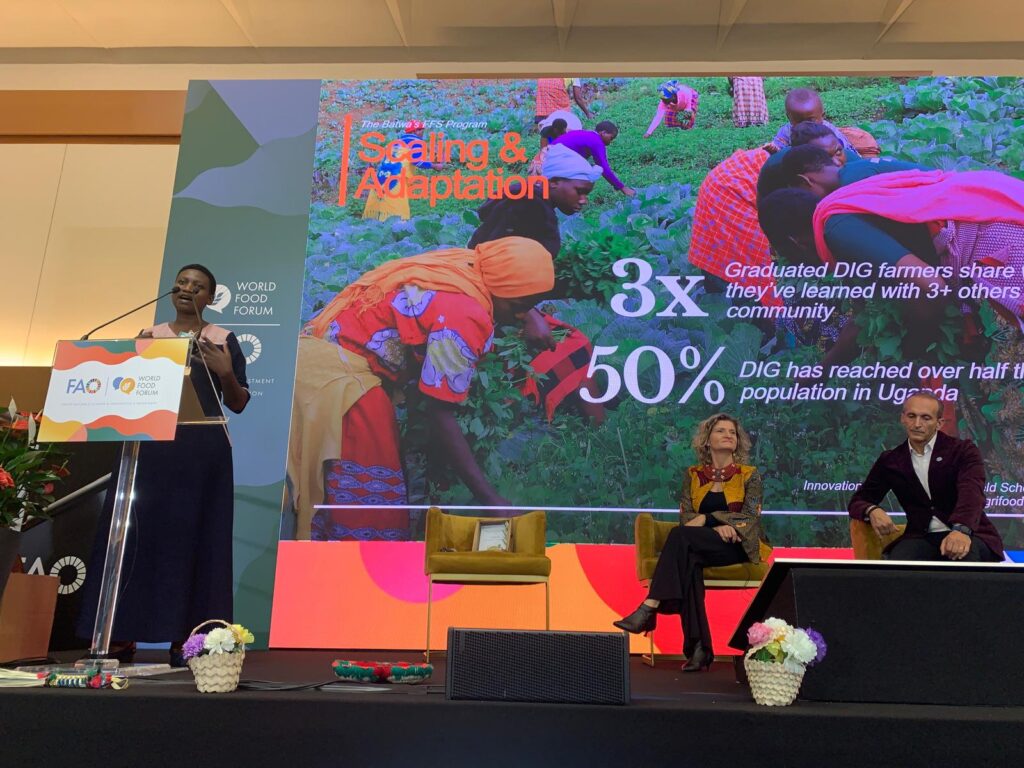
Gloria Mushabe Receives Prestigious FAO Global Farmer Field Schools Innovation Award

Celebrating DIG’s Transformative Work with the Batwa Community in Uganda In a significant moment for Development in Gardening (DIG), Gloria Mushabe, our Executive Director in Uganda, was honored as a laureate of the FAO’s inaugural Global Farmer Field Schools Innovation Award. Gloria, a well-deserved recipient, has been a driving force behind DIG’s work in Uganda since 2018. Her deep knowledge of agroecology and unwavering commitment to community-led development have enabled DIG to effectively reach some of the most marginalized communities

Read More

DIG’s Farmer Field School

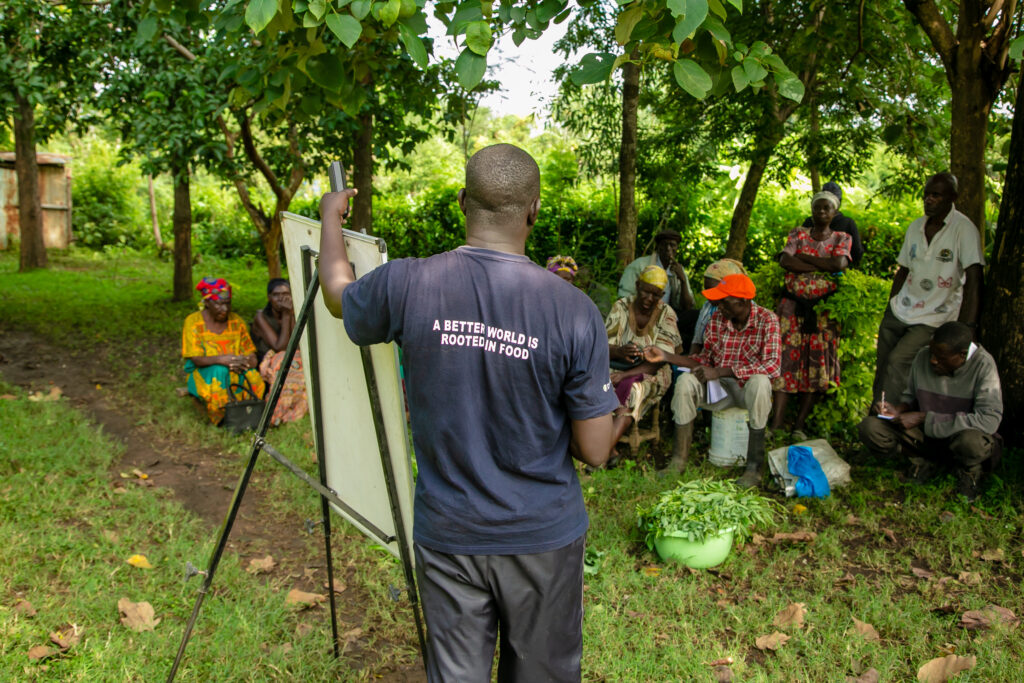
DIG's foundational program prioritizes uniquely marginalized people. They learn to grow nutrient-rich gardens using regenerative agriculture as a way of improving theirs and their family's nutrition, food security, and income.

Read More

Growing More Resilient Local Food Systems

When the pandemic shut down markets and restaurants, DIG farmers like Fernard and Cecile were prepared to fill in the gaps. Their gardens were no longer just reliable sources of food for their families, they became a critical resource for their entire community.

Read More

A Milestone to Celebrate ~ DIG Reaches 50% of all Batwa in Uganda

Building trust, confidence, and hope is key to our program’s success; and no where is that more important than with the culturally displaced Batwa of southwest Uganda. DIG has made a long-term commitment to this uniquely marginalized community. The Batwa have experienced terrible poverty and poor health since their eviction from their ancestral lands in the early 1990s. (Read more about DIG’s work with the Batwa here.) After four years of engagement, DIG is celebrating having reached half the Batwa

Read More

DIG is celebrating our third year in Southwestern Uganda. In that time, we’ve adapted our model to work with almost half the Ugandan population of displaced Batwa and 314 People Living with Disabilities. We’ve built critical trust in both communities which has helped seed the measurable impact we’ve had in this time.

DIG’s work in Uganda represents some of our most creative and unique, it’s also arguably serving our most vulnerable populations.

The challenges facing the Batwa and People Living with Disabilities are complex and systemic. Added to this, the rocky soils, steep landscape, isolation, and extreme- poverty make success here difficult.

We are proud to report that close to 5000 people living with physical disabilities and Batwa community members have benefitted from DIG’s growth in Southwestern Uganda since 2017. And, as our studies show, for every one farmer DIG trains, they go on to train roughly 3 more people in their communities. With that level of organic growth, we are beginning to see what a self-scaling program can mean for the broader community.

2020 Highlights

60,000 seedlings were grown in 16 demonstration gardens.

The seedlings were transplanted into individual homes and community gardens bolstering resilience and farmer capacity during Covid19

17 different varieties of nutrient dense fruits and vegetables were introduced to our farmers through their demonstration gardens.

The wide varieties encourages both dietary diversity and helps farmer explore market potential.

Program Graduates are now growing 6+ more types of vegetables in their home gardens.

Meaning farmers can better withstand climate disruptions and pests and disease damage. Equally, they are able to improve their family’s nutrition and meet new market opportunities.

Registered 9 groups with the government.

Registered groups are able to access government funding to invest in their own development projects.

Looking forward to 2021

Replication:

In 2021, DIG will be working closely with 20+ groups in the region, prioritizing the displaced Batwa, People Living with Disabilities and People Living with HIV/AIDS.

Evaluation:

We will undertake an extensive Impact Evaluation measuring the short and long-term impact DIG’s program has had on six cohorts of farmers.

Connecting Culture and Food

We are also seeking to deepen our work with the Batwa by documenting and promoting traditional agro-ecological cultivation of indigenous forest foods. Having solved their immediate food challenges, we believe now is the time to create a program that celebrates their culture through food.