Local leaders believe there is another way.
The mayor described his vision in terms of autonomy: for the women in the program, and for the region as a whole. He wants Bignona to grow and diversify its own food system rather than depending on produce trucked in from Dakar.
For him, this is also about revival.
Bignona’s local market has never fully recovered from the Casamance conflict, and the dependence on outside produce is part of that longer story. His vision is to bring it back, starting with the women who already anchor community life here.
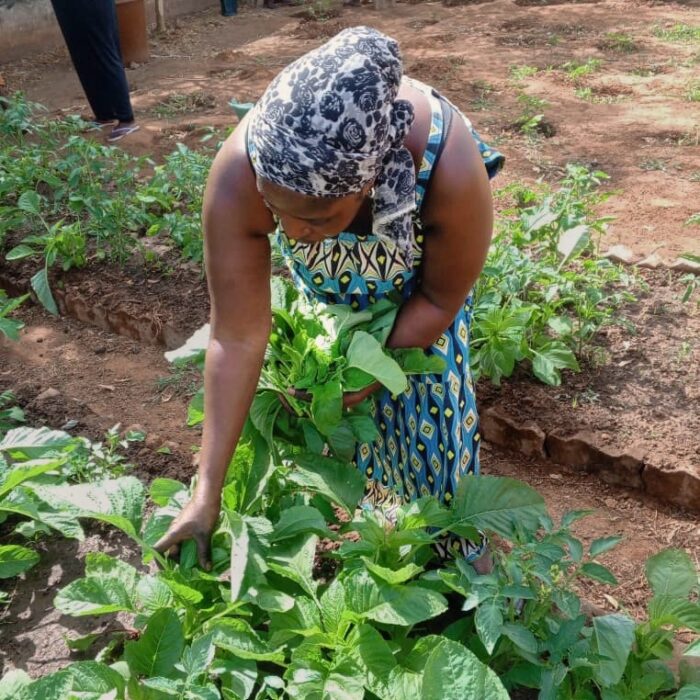
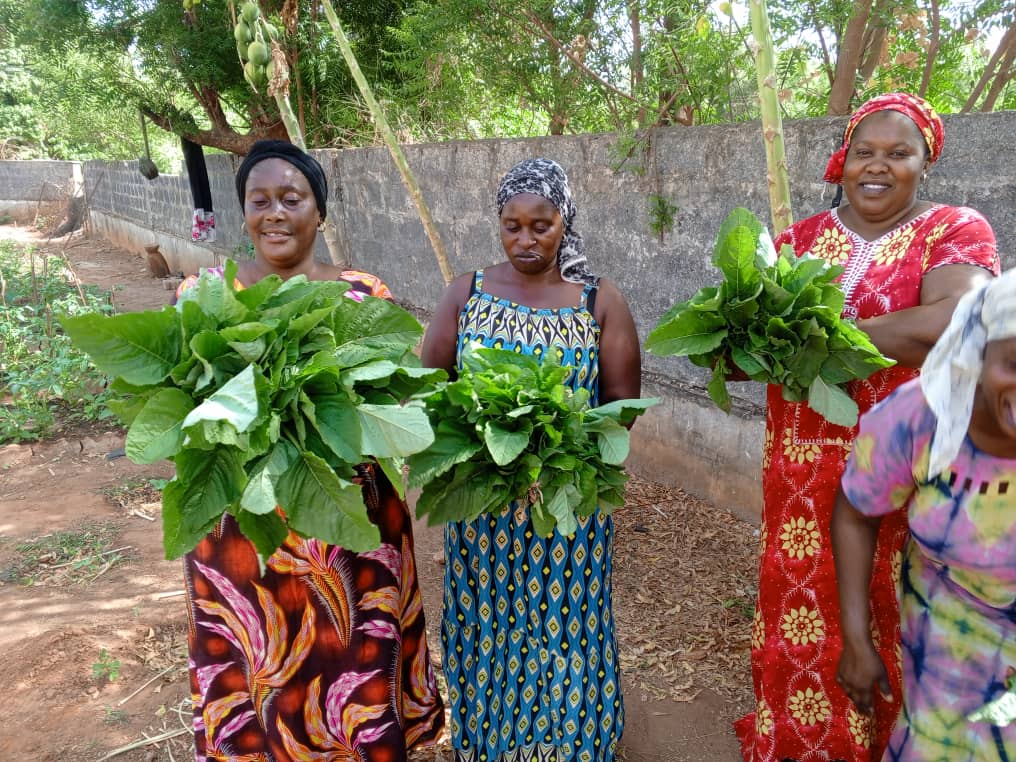
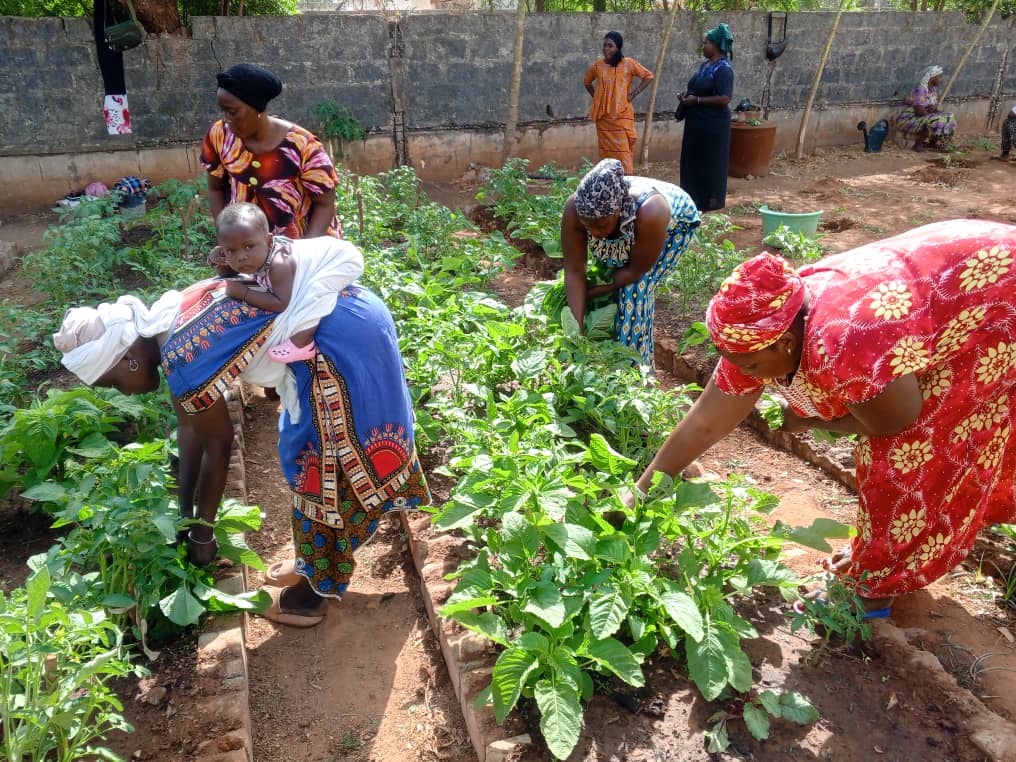
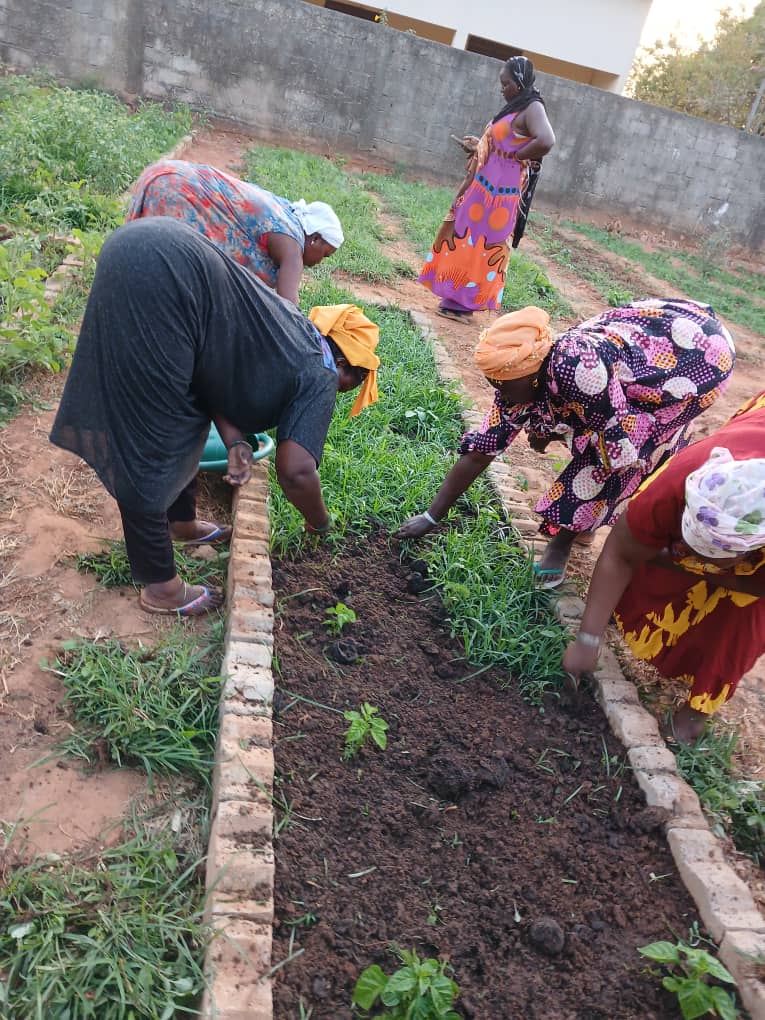
After seeing DIG gardens established by local women’s groups and people living with disabilities, the mayor of Bignona began imagining something larger. If women leaders from every neighborhood could learn to grow a wider variety of vegetables and share that knowledge with others, local food production could expand neighborhood by neighborhood until the community was feeding itself.
When the mayor reached out to DIG’s Senegal team, we knew we wanted to be a part of it.
This is exactly the kind of community-led vision DIG is here to support. DIG’s role is not to define that vision but to help strengthen it by bringing technical training, farmer-led learning, and experience building local food systems to a plan the community had already identified for itself.
That partnership is now taking shape on the ground.
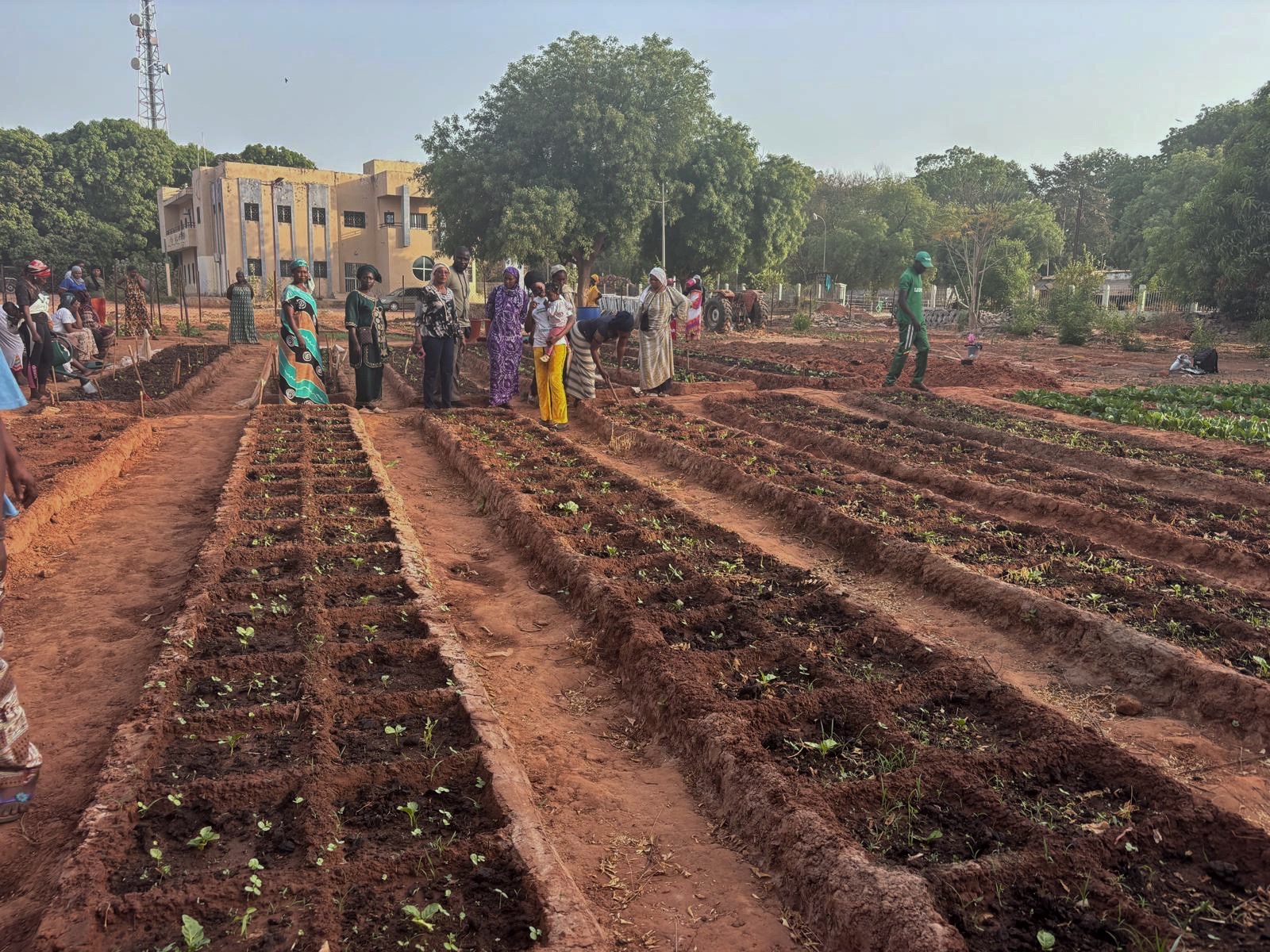
The mayor’s office donated land at the municipal building to serve as a demonstration garden, a public signal that strengthening Bignona’s food system is a community priority, not the responsibility of farmers alone. Leading the project day to day from the mayor’s side is Oulimata Gueye, who is overseeing the training and coordination across neighborhoods.