A Mayor Has A Plan To Revive Bignona’s Food System

And it starts with 40 women.

What would it look like for Bignona to take its food system into its own hands?

3 MIN READ

In Bignona, Senegal, the answer to that question is already being built. Today, many vegetables sold in Bignona come from outside the region, transported from Dakar through Ziguinchor before reaching local markets. Fresh produce can be expensive, organic options are limited, and some women travel more than an hour to Ziguinchor to purchase vegetables before bringing them back to sell in their own community. This is partly a consequence of Bignona’s geographic position and the lasting effects of the Casamance conflict, which reduced government investment in the region and disrupted local agricultural production for decades.

Local leaders believe there is another way.

The mayor described his vision in terms of autonomy: for the women in the program, and for the region as a whole. He wants Bignona to grow and diversify its own food system rather than depending on produce trucked in from Dakar.

For him, this is also about revival.

Bignona’s local market has never fully recovered from the Casamance conflict, and the dependence on outside produce is part of that longer story. His vision is to bring it back, starting with the women who already anchor community life here.

After seeing DIG gardens established by local women’s groups and people living with disabilities, the mayor of Bignona began imagining something larger. If women leaders from every neighborhood could learn to grow a wider variety of vegetables and share that knowledge with others, local food production could expand neighborhood by neighborhood until the community was feeding itself.

When the mayor reached out to DIG’s Senegal team, we knew we wanted to be a part of it.

This is exactly the kind of community-led vision DIG is here to support. DIG’s role is not to define that vision but to help strengthen it by bringing technical training, farmer-led learning, and experience building local food systems to a plan the community had already identified for itself.

That partnership is now taking shape on the ground.

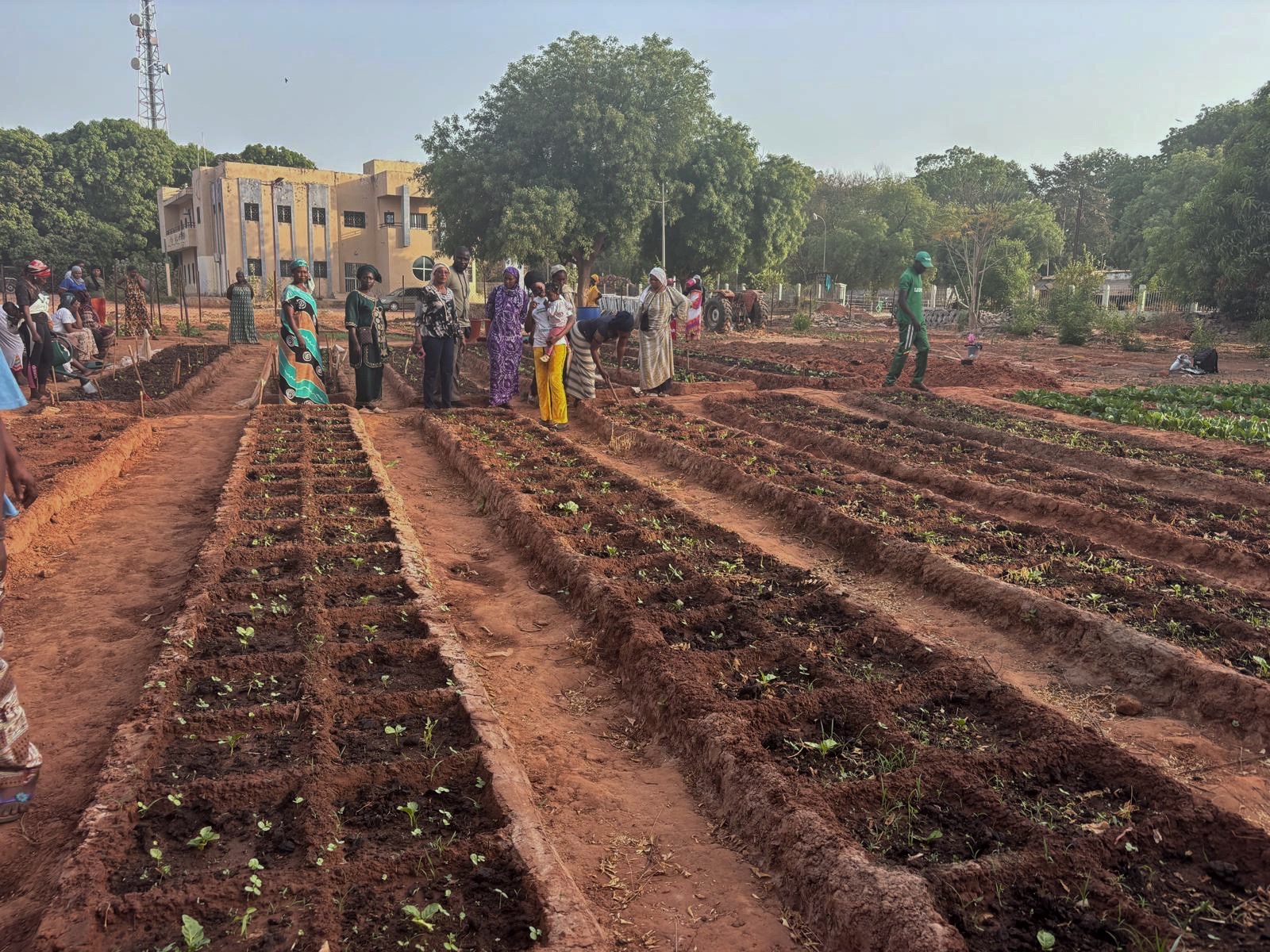
The mayor’s office donated land at the municipal building to serve as a demonstration garden, a public signal that strengthening Bignona’s food system is a community priority, not the responsibility of farmers alone. Leading the project day to day from the mayor’s side is Oulimata Gueye, who is overseeing the training and coordination across neighborhoods.

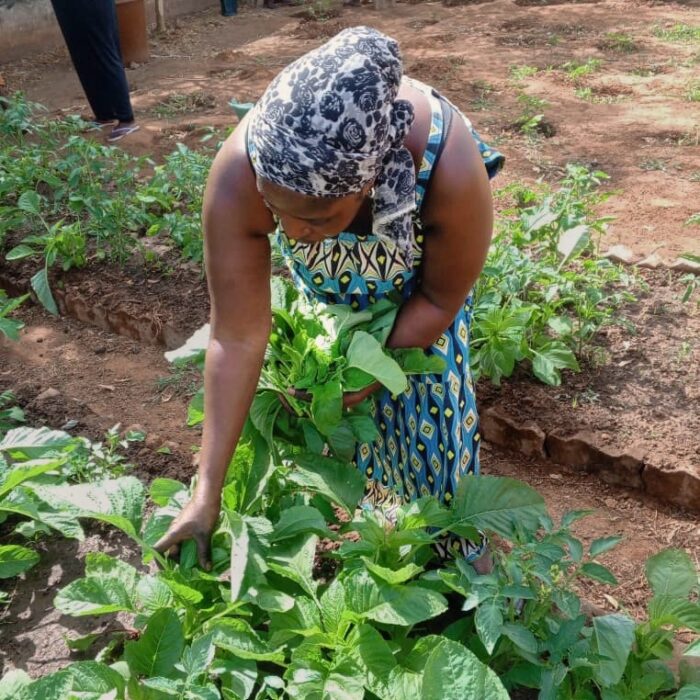


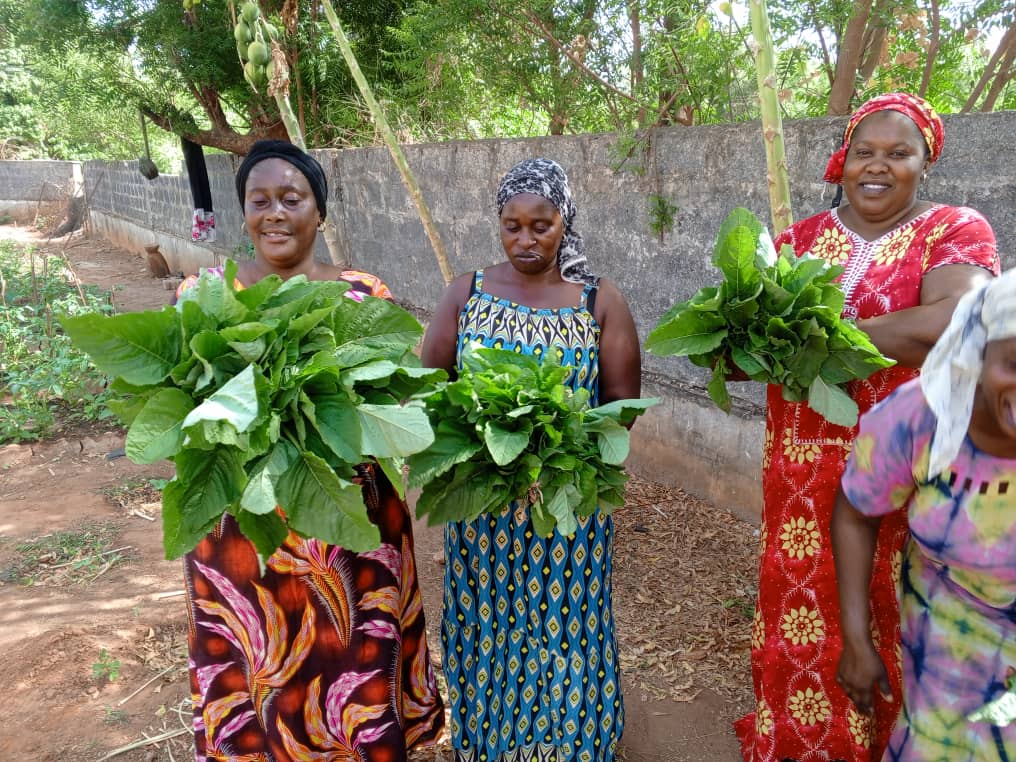
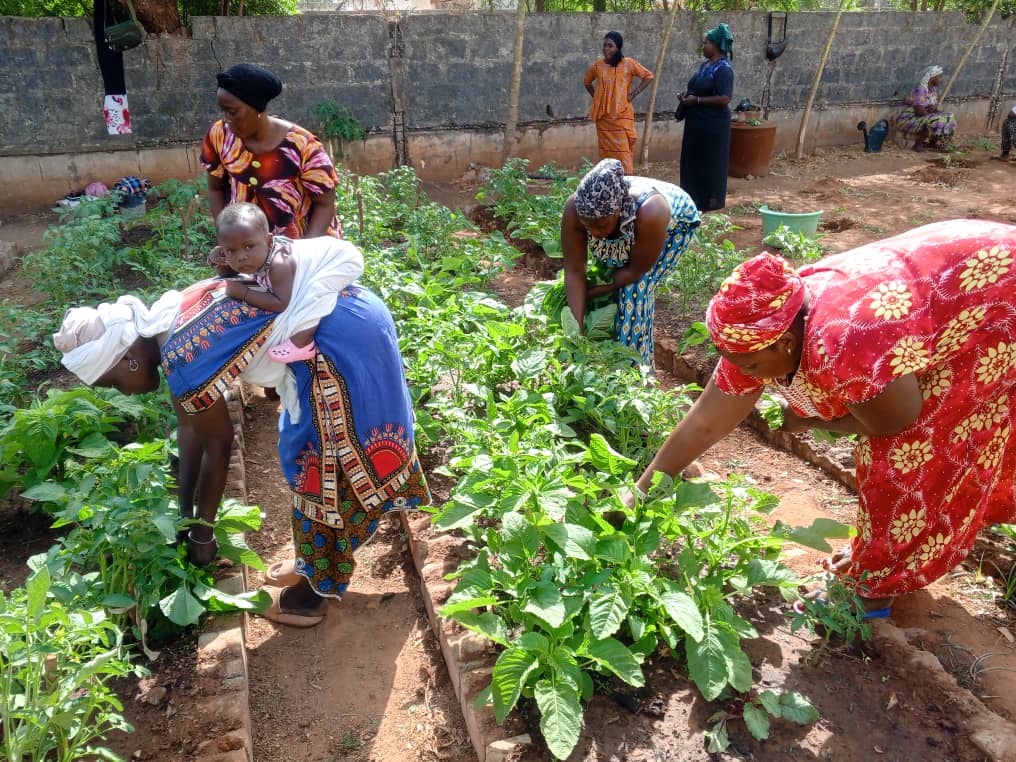
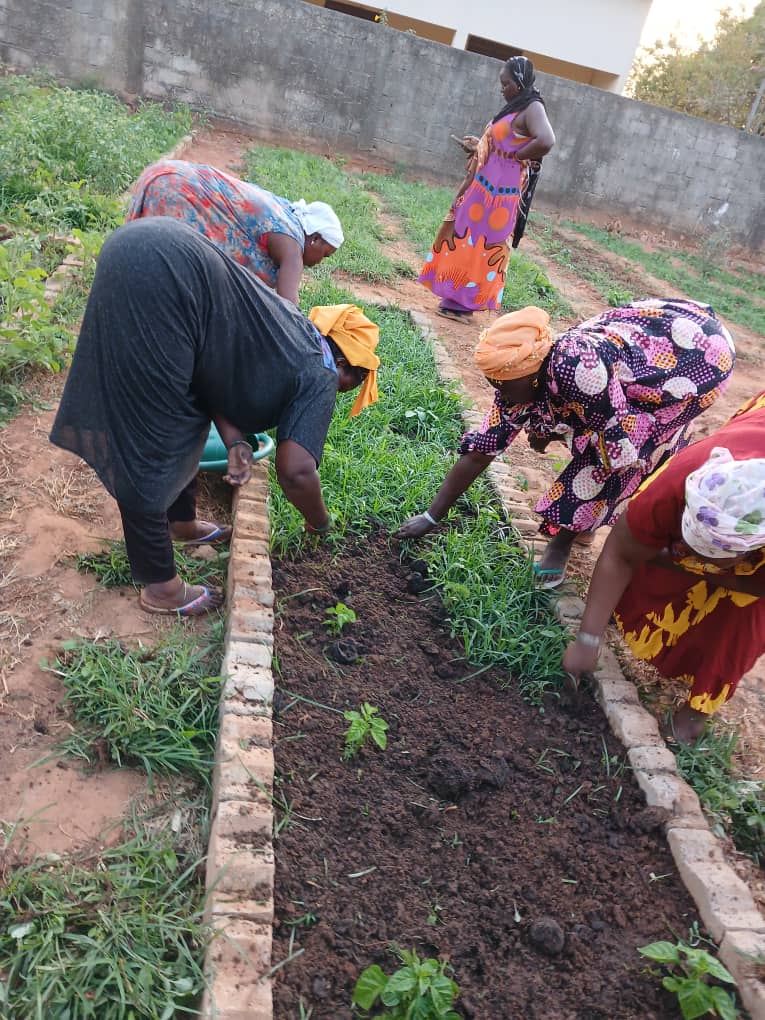
Today, approximately 40 women representing seven neighborhoods are gathering at that garden to learn, experiment, and prepare.

They are growing a wider variety of vegetables, including indigenous and local varieties that many households in Bignona have not cultivated in a very long time. When the training is complete, each woman will bring those skills back to her neighborhood, where she will train others in her association.

The women are active participants in this.

Many have already helped identify garden sites in their neighborhoods, and both the women themselves and the chiefs of each neighborhood are contributing resources to get those sites ready.

The next step is securing fencing and water access at seven neighborhood locations so that the training can scale from the demonstration garden to the community itself.

We will continue sharing updates as this community-led effort unfolds.

Stories, Insights, and Updates from DIG


We Asked Farmers to Draw Their Food Systems.

Here is what they showed us.

The Idea That Started It All

Honoring Dr. Salif Sow and the seed he planted 20 years ago.

The Garden Women Farmers Brought Back To Life

Twenty years in and still feeding the future. And it’s women farmers who make that possible.

View More