Google Gives, DIG Grows, Lives Transform

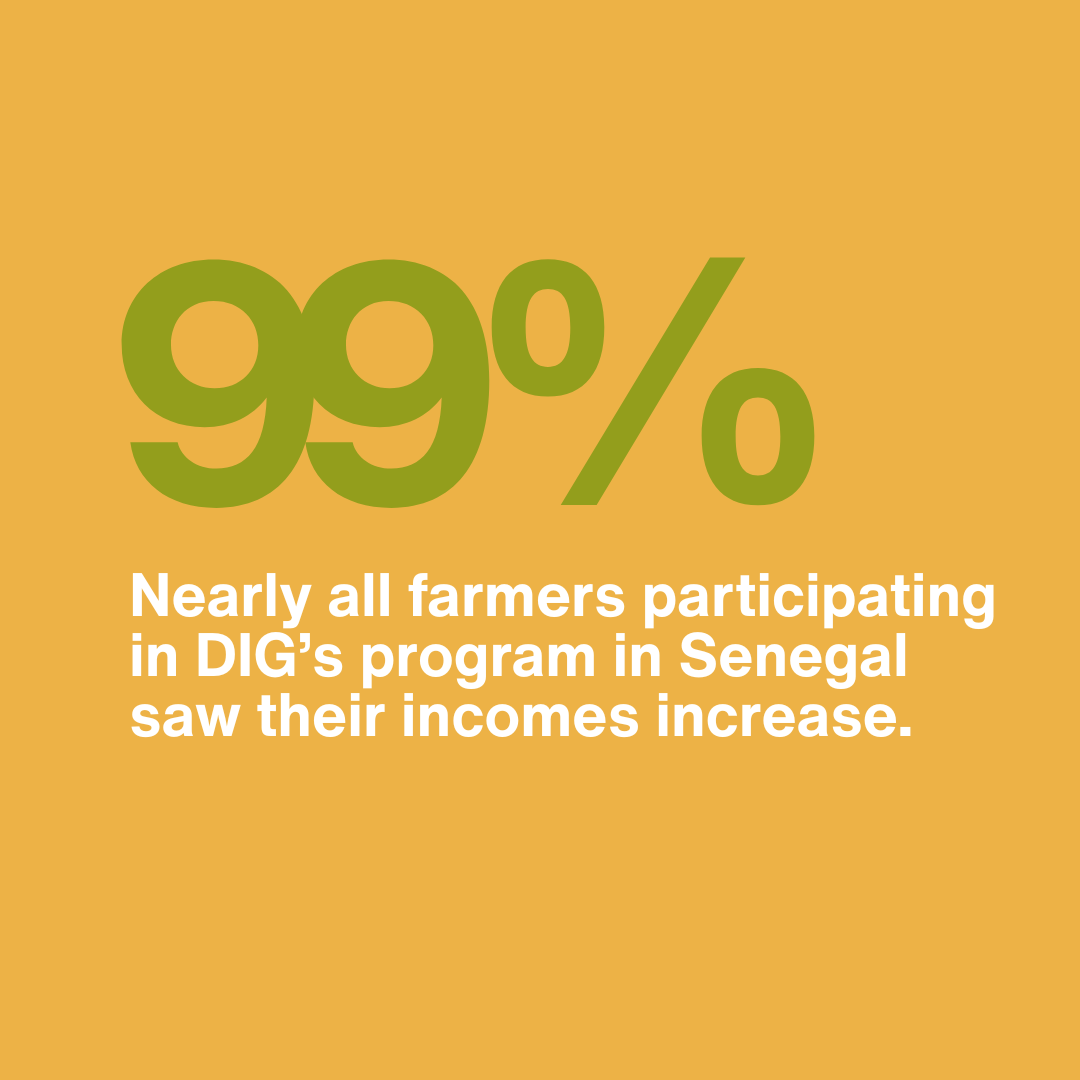
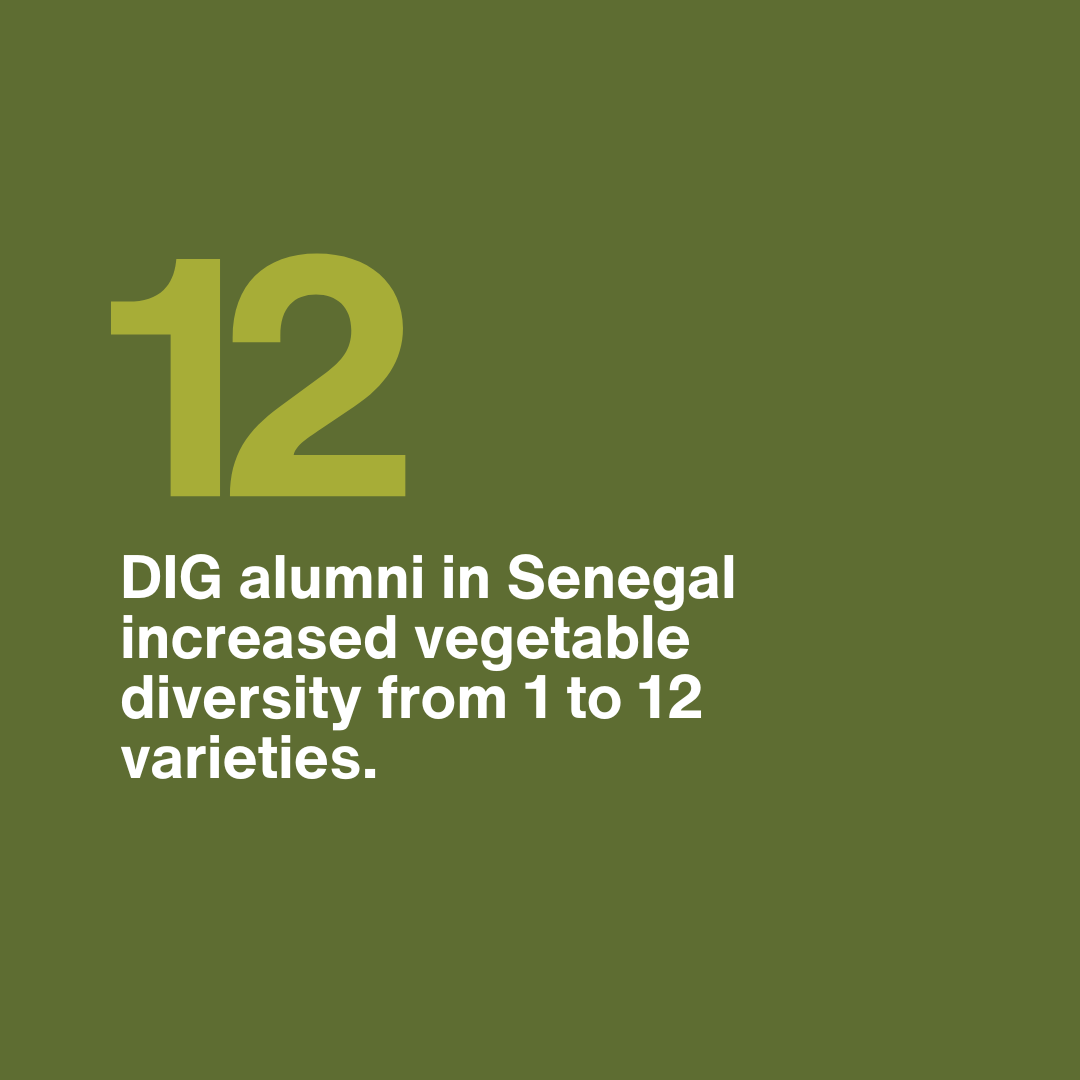
While Google Giving Week support has strengthened DIG’s work in Kenya in years past, this year your generosity traveled to Senegal, where DIG’s story first began 20 years ago.

What you started is still growing

Last year, more than 100 Google employees chose to personally support DIG through go/GiveDIG, contributing over $42,000

To put that generosity into perspective, it is roughly equivalent to the cost of supporting 8.5 Farmer Field Schools.

But what makes a Farmer Field School so valuable?

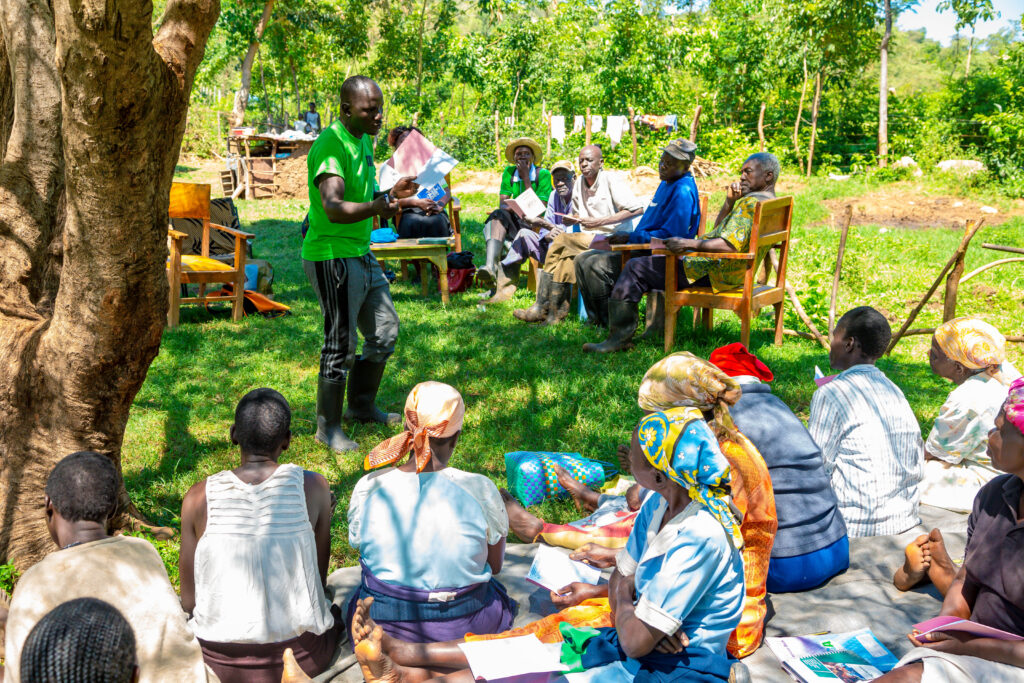
It’s a place where farmers come together to learn by doing, experiment with regenerative growing practices, and find solutions that work for their local context.

And then where the true impact comes is, farmers take what they have learned home and share them with neighbors. That’s how one garden can create opportunities that keep growing long after DIG’s formal training ends.

DIG Icon
Farmer Field School

One Farmer Field School garden brings farmers together to learn by doing, experiment with regenerative growing practices, and find solutions that work in their local environment.

DIG Icon
Farmers Trained

Each Farmer Field School trains approximately 40 farmers, building the skills and confidence to grow nutritious food and strengthen their livelihoods.

DIG Icon
More People Reached

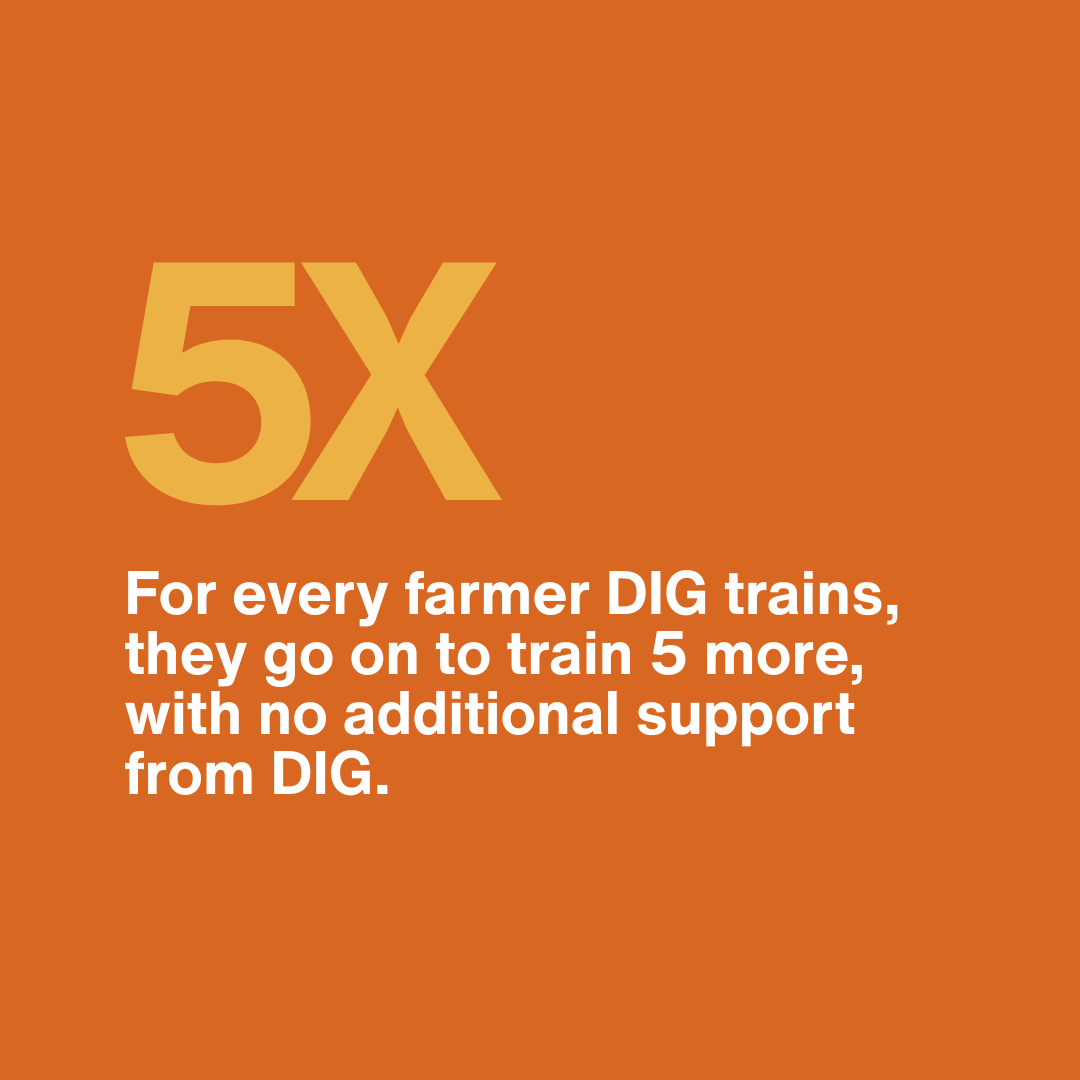
Each farmer shares what they've learned with an average of five others, spreading practical knowledge well beyond the original garden.

Put that on the scale of Google employees’ $42,000 in giving, and you are looking at the equivalent of 8.5 Farmer Field Schools. That’s roughly 340 farmers gaining new skills and 1,700 more people benefiting as that knowledge spreads.


And to see what that ripple effect can look like in action, let’s take you to Bignona, Senegal.


Early growth on the land donated by the Mayor of Bignona in 2026.


A Mayor Has A Plan To Revive Bignona’s Food System

Once known as the breadbasket of Senegal, Casamance was a region where farming and local food systems thrived.

And four decades of separatist conflict devastated its food systems. Families fled. Landmines made an estimated 80% of farmland unusable. Agricultural knowledge and traditional seed varieties were lost between generations.

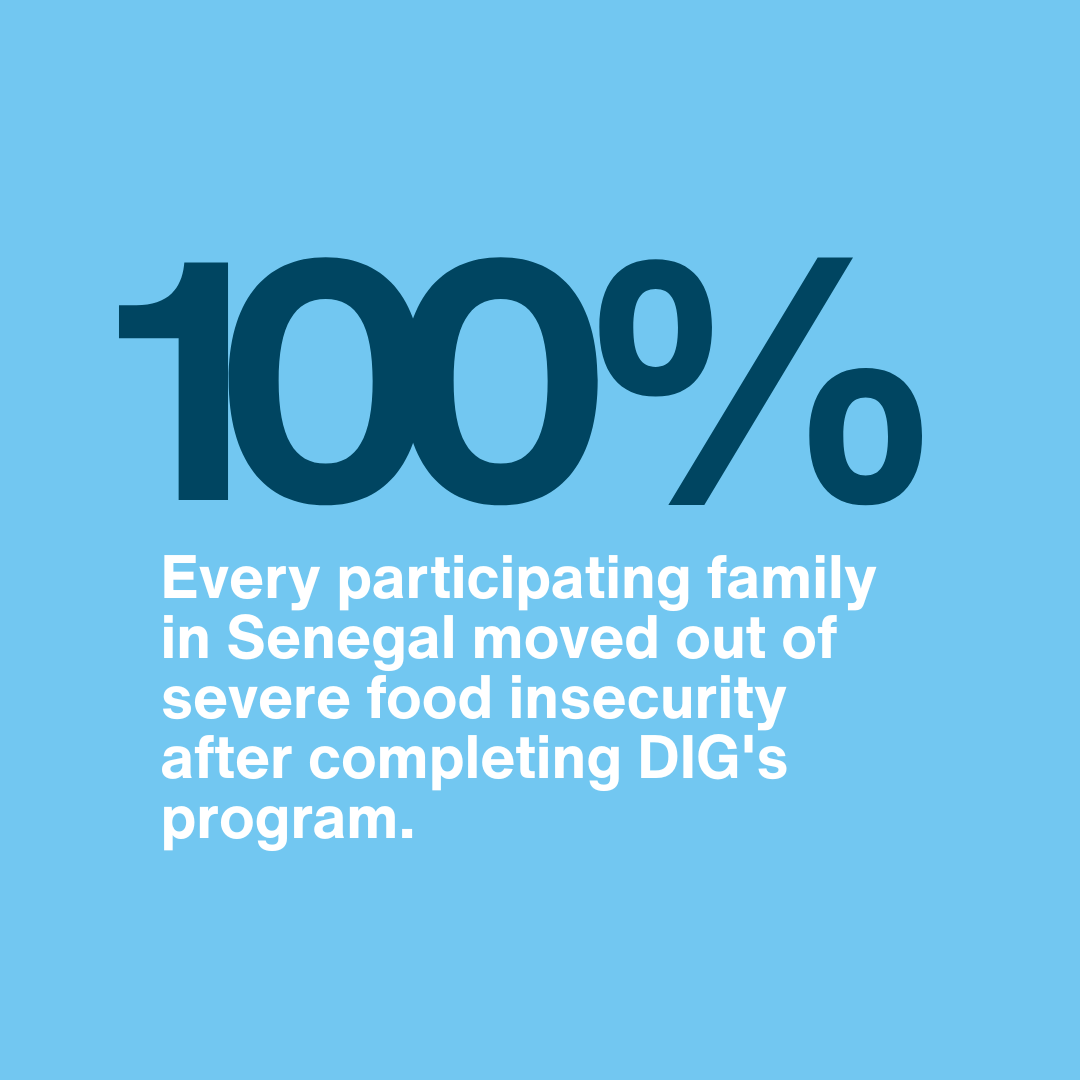
The effects are still felt today; 86% of households in the communities we serve are food insecure.

Families are starting to return, but rebuilding takes time, seeds, and knowledge.

Support from Google employees’ DIG is able to respond to opportunities like the one brought forward by the Mayor of Bignona, who saw the success of DIG’s work and wanted to bring that same approach to his community.

With much of Bignona’s produce trucked in from Dakar, over 300 miles away, he had a vision: bring locally grown food back to his town’s markets.

The Mayor donated land at his office and asked DIG to train 40 women through our Farmer Field School model.

And when the mayor reached out to DIG’s Senegal team; we knew we wanted to be a part of it. This is exactly the kind of community-led vision DIG is here to support. DIG’s role is not to define that vision but to help strengthen it by bringing technical training, farmer-led learning, and experience building local food systems to a plan the community had already identified for itself.

This partnership is now taking shape on the ground. Read the full story of A Mayor Has A Plan To Revive Bignona’s Food System



Still Growing: On the land donated by the Mayor of Bignona 2026

Join us for Google Giving Week and scale what you started

See, the plan doesn’t stop with these 40 women.

Once they graduate, the next step is to bring what they have learned back to their seven neighborhoods, with the goal of expanding Farmer Field School opportunities for more community members.

And this is where we could use your help.

As we look toward the next phase in Bignona and similar opportunities across DIG’s programs, we’re inviting Google employees to come together again this Giving Week.

Select go/GiveDIG during Google Giving Week.

A tax note for 2026: Starting this year, even if you take the standard deduction, you may be able to deduct donations to DIG ($1,000 single filing / $2,000 joint filing. Check with your tax advisor.)

The impact continues after graduation from Farmer Field School