Skip to content
DIG
  • DIG
  • Who We Are
    • Team
    • Board of Directors
    • Partners
  • What We Do
    • Core Programs
    • The DIG Model
    • The History of DIG’s Growth
    • Committed to Principles of Agroecology
    • Committed to Principles for Locally Led Adaptation
  • Where We Grow
    • DIG Kenya
    • DIG Uganda
    • Senegal
  • Our Impact
    • Our Pillars of Impact
    • How We Measure our Impact
    • DIG’s Latest Impact Report
  • DIG News
    • Publications & Media
    • Blogs
    • Visit Uganda In Virtual Reality
  • Take Action
    • Donate
    • Recipes
    • 2027 Senegal Field Trip
    • Careers
    • Involvement Opportunities
    • Contact DIG
  • Donate
    • Donate
    • Plant a Legacy. Plant a Tree.
    • Shop the DIG Gift Garden
    • State Nonprofit Disclosures

Gardens are seasonal.  Trees are for generations.

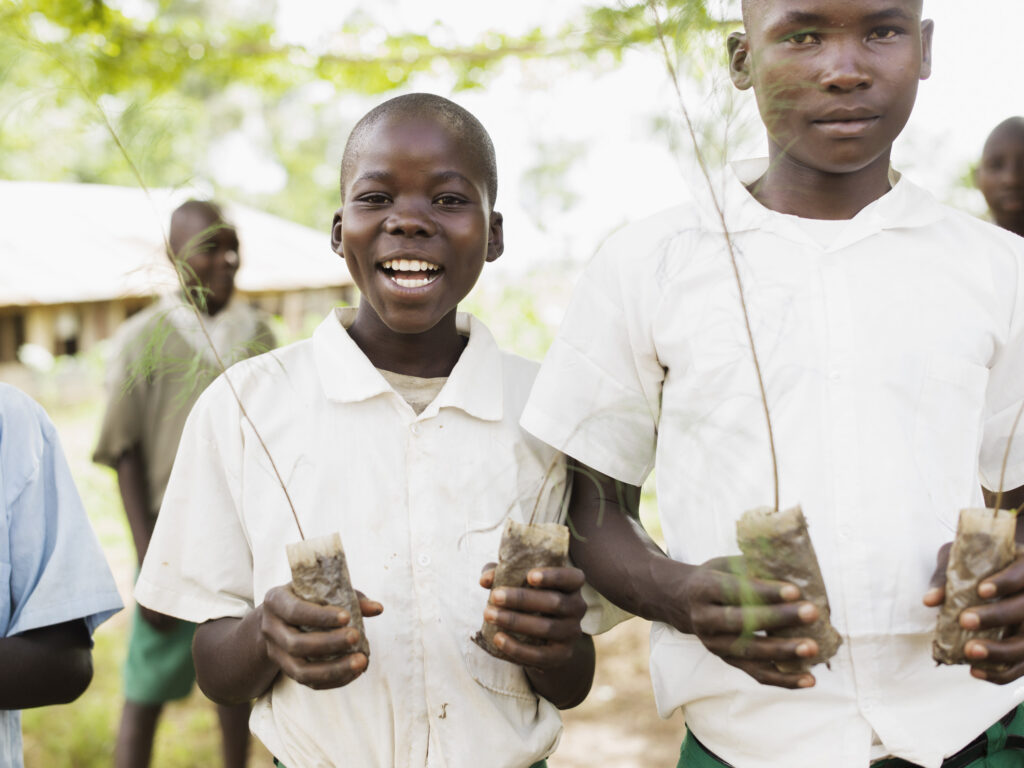
While vegetable harvests are seasonal, the trees in those gardens can ensure these gardens produce for generations. One tree can provide many harvests.  Each tree is grown with agroecological practices that restore soil, support biodiversity, and put nutritious food on the table.

We invite you to be part of what grows next.  When you donate $350 or more by December 31, 2026, you have the option to have a tree planted in your name or in honor of someone you love.
A gift that keeps on growing.

A meaningful holiday gift with a lasting impact.

Once your tree is planted, we’ll send you a photo and its location so you can see exactly where it’s taking root.

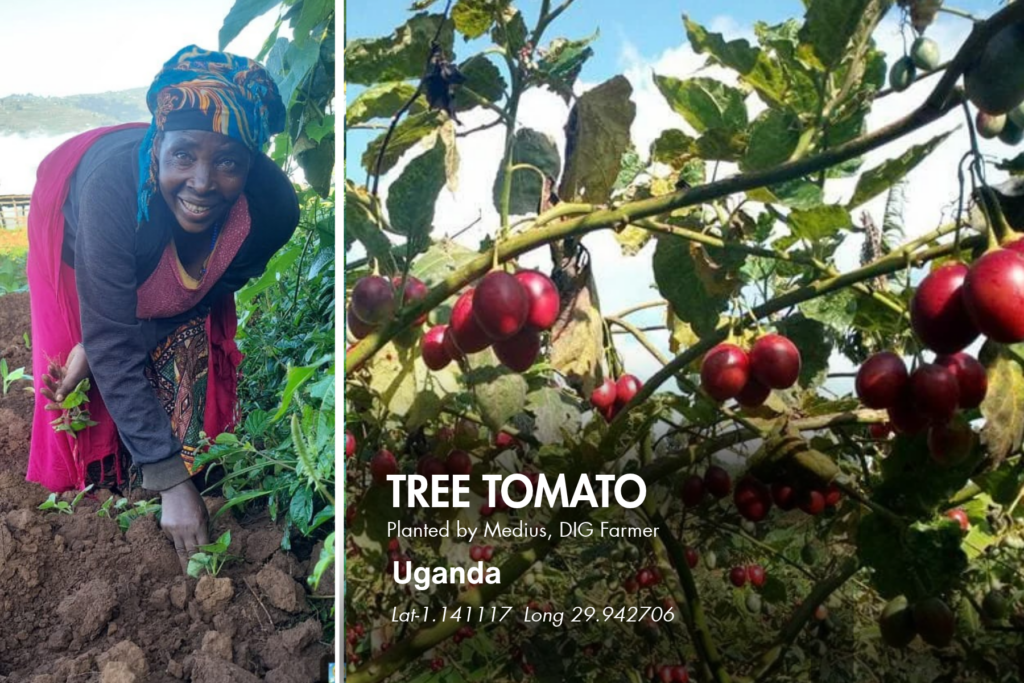
Meet Medius, a DIG farmer in Uganda, planting the Tree Tomato seedling. This small but productive tree grows well in Uganda’s cooler highlands, producing bright, sweet-and-tangy fruit rich in vitamins and antioxidants.


See where the trees are growing.

Choose a country, then click a pin or scroll through the names to see where each tree is growing! Use the zoom controls in the bottom-left corner to explore the map.

Trees have different personalities. Get to know some of the trees we grow in DIG gardens. Which tree are you?


Calliandra

Kenya

The tree that keeps on giving, Calliandra improves everything it touches just by showing up and being what it is. It gives generously without asking for anything in return. Calliandra never shows up empty-handed. While other plants wait for their season to bloom, Calliandra keeps its flowers coming all year long, offering bees a steady place to gather nectar. Its protein-rich leaves are used as animal fodder. It naturally fixes nitrogen into the soil, making the ground around it more fertile. In other words, It makes everything a little better simply by being there,

Tree Tomato

Uganda

Tree Tomato is quietly dependable, generous, and never one to make a fuss. Also known as tamarillo, this small but productive tree grows in the cool highlands of Uganda, where Batwa communities enjoy its bright, egg-shaped fruit with a distinctive sweet-and-tangy flavor. Packed with vitamins and antioxidants, its fruit brings nutrition to the table season after season. It doesn't need to be the biggest or boldest tree in the garden to make a difference. It simply keeps growing, producing, and giving what it can,

Moringa

Senegal & Kenya

Moringa comes up fast. While other plants are still deciding whether to grow, it’s already tall and reaching for the light. When the rains stop and the garden lowers itself down to rest, moringa keeps its leaves. The leaves are stripped fresh into the pot, carrying iron and vitamins, a needed boost for a nursing mother, a growing child, someone left tired and pale from anemia. But that green matters most when there is least of everything else. The leaves are dried in the shade and crushed into a powder kept in a jar, so that what grew in the wet season goes on feeding families through the dry one. The one who shows up without being asked and makes hard seasons feel a little easier, simply by being there.

Ditakh

Senegal

Ditakh knows how to make an impression. It’s rare, bold, sweet and sour all at once. Native to West Africa, the Ditakh is an indigenous tree whose wild-harvested fruit is a treasured part of Senegal’s culinary heritage, especially in Casamance, where DIG first took root. Its distinctive fruit is enjoyed fresh, made into juices, and even makes a great cocktail mixer. But there is more to Ditakh than its memorable flavor. This tree is strong and resilient, thriving through dry conditions, while its deep roots help protect the soil beneath it. So as its fruit brings people together, its roots quietly care for the land.

Guava

Uganda

Guava knows good things are worth waiting for. Patient, generous, and a keeper of traditions. Growing wild across southwestern Uganda, from the lowlands to the highlands, guava has been part of Batwa communities for generations. Men and boys have climbed its branches in search of the bright yellow fruit, enjoyed fresh or pressed into juice, and shared with family and neighbors. But guava takes its sweet time. From a tiny seed, it can take nearly four years before the tree begins to bear fruit. Four years of sunshine, rain, and patient growing before it has something sweet to offer. When the fruit finally comes, a new generation climbs those same branches, just as the one before them did.

Filao

Senegal

Filao is the kind of tree you want in your corner. Strong, dependable, protective, and always looking out for those around it. Fast-growing and resilient, the Filao stands tall against harsh coastal winds and holds its ground even when the sands shift. In Senegal, these trees are planted along the coast to keep sand dunes from moving into villages and farmland. And while its deep roots hold everything steady, the Filao is also busy enriching the soil, making the ground more fertile for whatever grows nearby. In Senegal, Filao trees are planted in long belts along the coast to hold back shifting sand dunes, protecting entire villages and their farmland. The tree's roots don't just anchor itself. They hold the ground steady for everyone else too.

Avocado

Kenya & Uganda

Avocado Trees thrive independently, are capable and dependable and while they are great in relationships, they can produce efficiently on their own. Their flowers open at different times, creating more opportunities for pollination and better harvests. And there's something beautiful about that. Even a tree that can thrive independently can become more productive with the right neighbor. A reminder that sometimes, growing together brings out the best in us.

Mango

Kenya

Mango is a natural giver, from its fruit to the shade beneath its branches. Mango is strong, generous, and always makes room for others. It is one of the most beloved trees in Africa. It's a hardwood, strong and durable. Its fruit is delicious and nutritious, and it’s a staple market crop. It also has a canopy that is exceptionally wide and generous, creating shade that benefits not just the farmers who rest underneath it, but the birds that nest in it, the children who play under it, and the other plants that rely on its shelter from the harsh sun.

A tree is patient.

Plant a tree in honor of a mentor, a friend, or someone you love, and they’ll receive its exact planting location: a living tribute that keeps growing for generations.

DIG’s roots are strong. Be part of what grows next.

Your unrestricted gift supports DIG’s farmer-led work where it is needed most.

ABOUT DIG

  • Donate
  • Contact
  • Core Programs
  • DIG’s Mission
  • The DIG Model

Organizational Policies

  • State Nonprofit Disclosures
  • Financial Reports
  • Anti-Discrimination Statement
Copyright © 2026 Development in Gardening 
  • Press
  • Contact

Follow Us